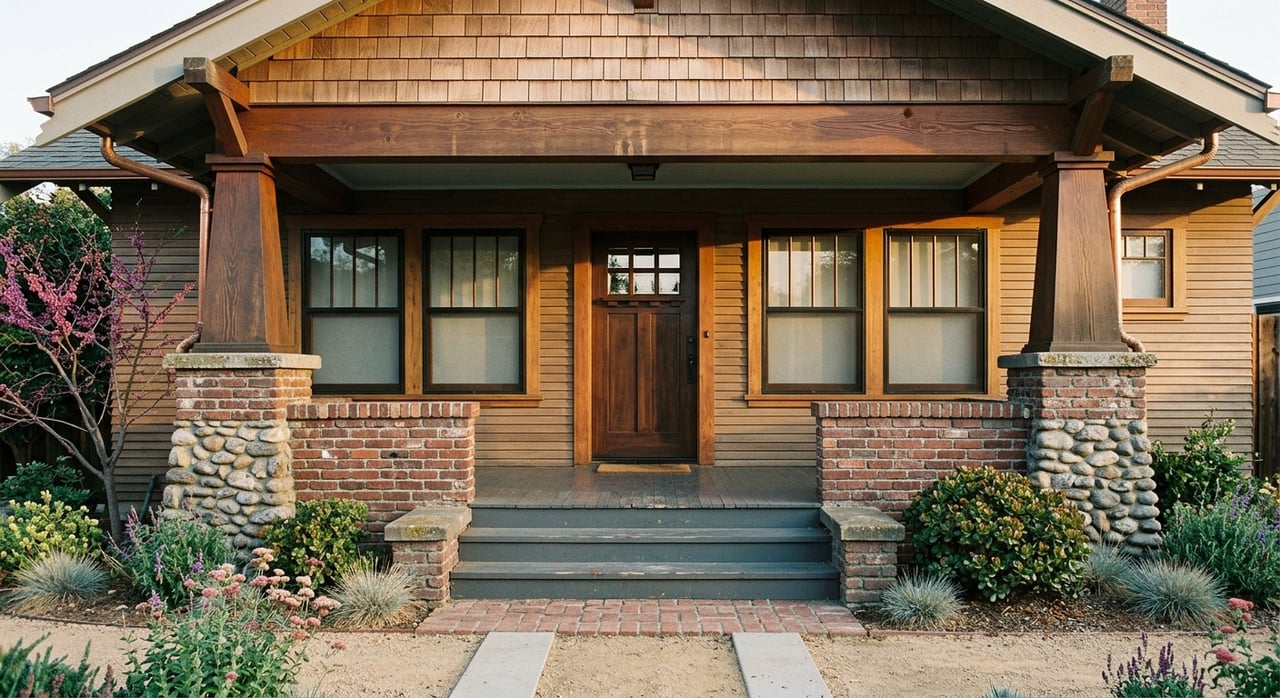
If you are drawn to homes with soul, Altadena tends to stand out fast. Instead of a look-alike streetscape, you find a foothill community where architectural variety, larger residential lots in some areas, and a strong sense of place all shape daily life. If you are exploring the area as a buyer or simply trying to understand its appeal, this guide will help you see why Altadena character homes continue to capture attention in 2026. Let’s dive in.
What makes Altadena character homes distinct
Altadena is an unincorporated community of about 43,000 residents just north of Pasadena, set below the San Gabriel Mountains and between the Arroyo Seco and Eaton Canyon. That setting matters because the neighborhood appeal is tied not only to the homes themselves, but also to the foothill backdrop and the residential feel of the community.
What many buyers notice first is that Altadena does not read like a one-style market. Local preservation and planning sources describe the area as architecturally diverse, which helps explain why it attracts people who want more personality and visual variety than a typical tract neighborhood offers.
Altadena architecture spans many styles
One of Altadena’s biggest draws is its broad range of residential architecture. County cultural-assets research identifies styles including Spanish Colonial Revival, Tudor Revival, English Craftsman, Prairie, Craftsman, Pueblo Revival, Italianate, Colonial Revival, Shingle Style, Queen Anne, Minimal Traditional, Ranch, Post-and-Beam, and Contemporary.
That range gives buyers a chance to match a home to the way they actually want to live. Some people want a deep front porch and visible craftsmanship. Others want clean lines, indoor-outdoor flow, or a house that feels rooted in a specific design era.
County work on Altadena’s built environment also notes that larger lots and more elaborate houses tend to cluster in northern Altadena closer to the mountains. That does not mean every home follows the same pattern, but it does help explain why certain pockets feel especially spacious and visually striking.
Craftsman homes
Craftsman homes are often among the styles buyers recognize most easily in Altadena. They typically feature low-pitched gabled roofs, broad eaves, exposed structural details, natural materials, and inviting front porches.
For many buyers, the appeal is warmth and texture. These homes often feel grounded and welcoming, with architectural details that make even a modest footprint feel memorable.
Spanish Colonial Revival homes
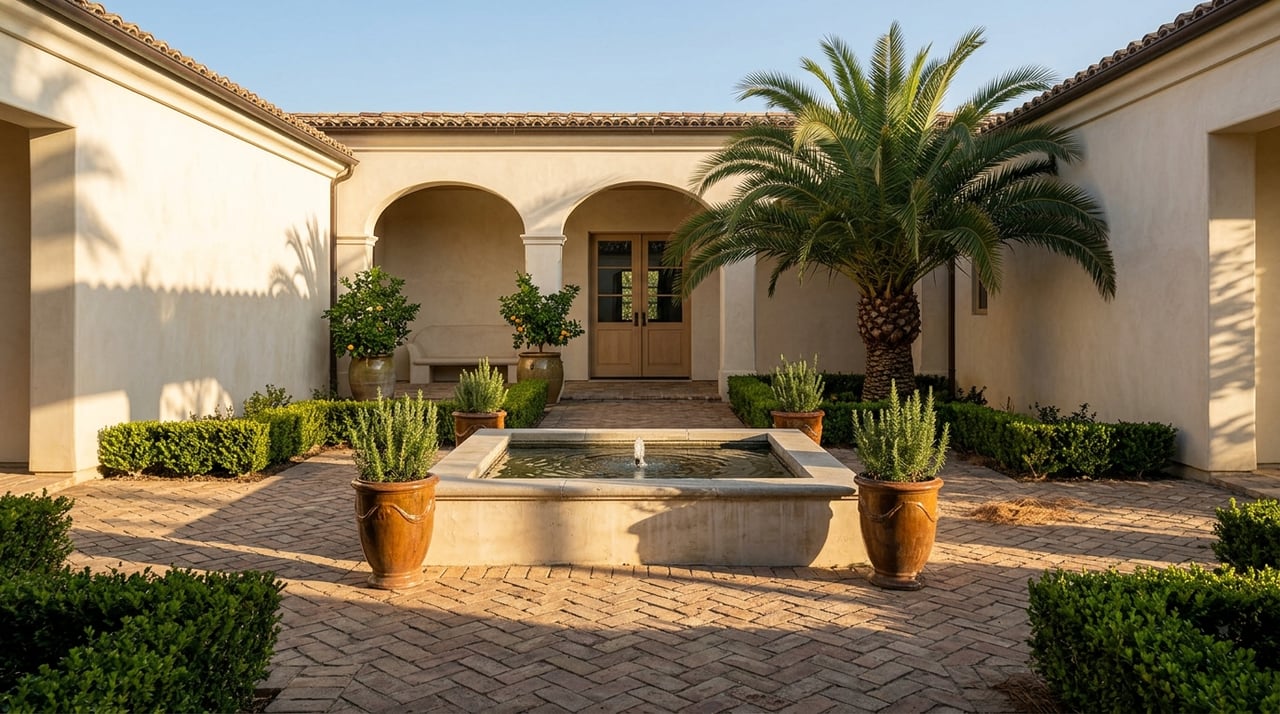
Spanish Colonial Revival homes bring a very different mood. Common features include stucco exteriors, clay tile roofs, arches, patios, and balconies.
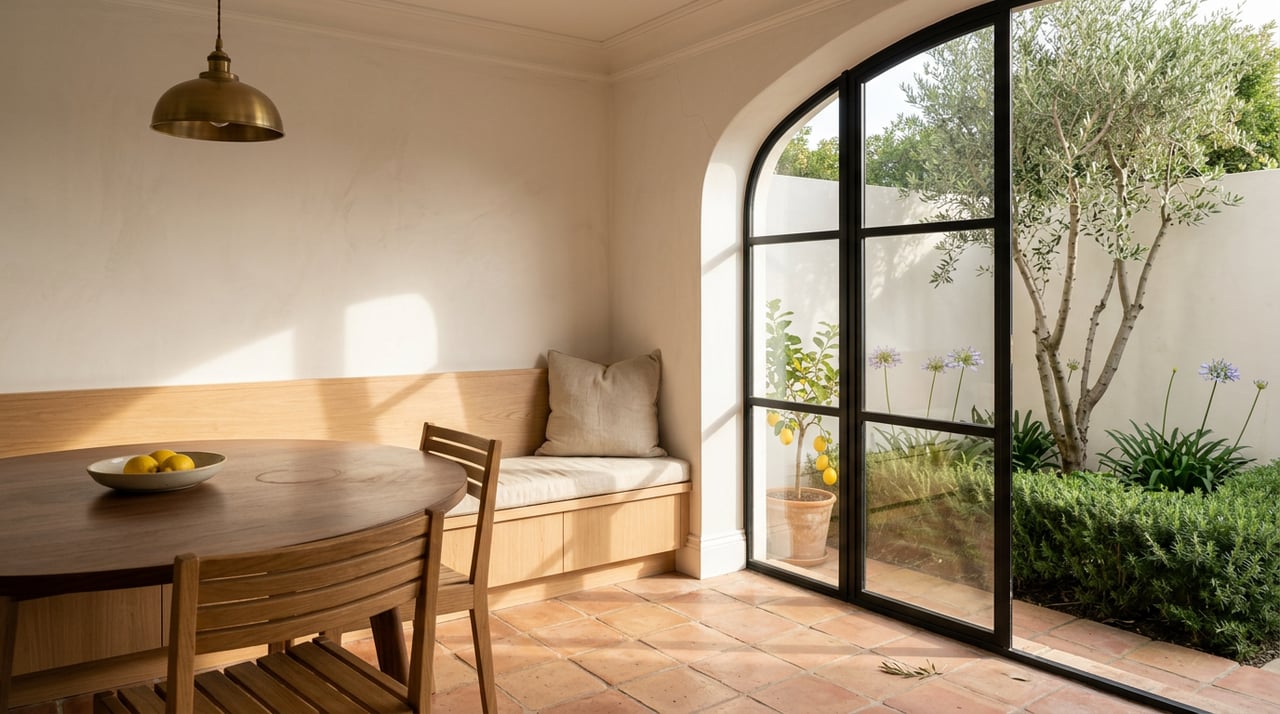
In Altadena, this style often fits naturally with the Southern California setting. Buyers who love courtyard moments, thick walls, and a strong indoor-outdoor connection are often drawn to this look.
Ranch homes
Ranch homes usually offer a more horizontal, relaxed layout. They are often one story and designed to open toward the outdoors through large windows or sliding glass doors.
That straightforward livability matters. If you want easier day-to-day circulation, simple transitions between interior and exterior spaces, or a more casual floor plan, Ranch homes can be especially appealing.
Tudor Revival homes
Tudor Revival homes are known for steep roofs, half-timbering, and tall narrow windows. They tend to feel more storybook and formal than some of the other styles found in Altadena.
For buyers who want distinct curb appeal, Tudor homes often deliver it immediately. They can create a strong first impression without feeling disconnected from the area’s broader architectural mix.
Mid-Century and Modern influences
Altadena’s design story is not limited to early 20th-century styles. County historic-context work also points to notable Mid-Century Modern and early Ranch examples, showing that the community’s visual identity extends well beyond bungalows and Spanish Revival homes.
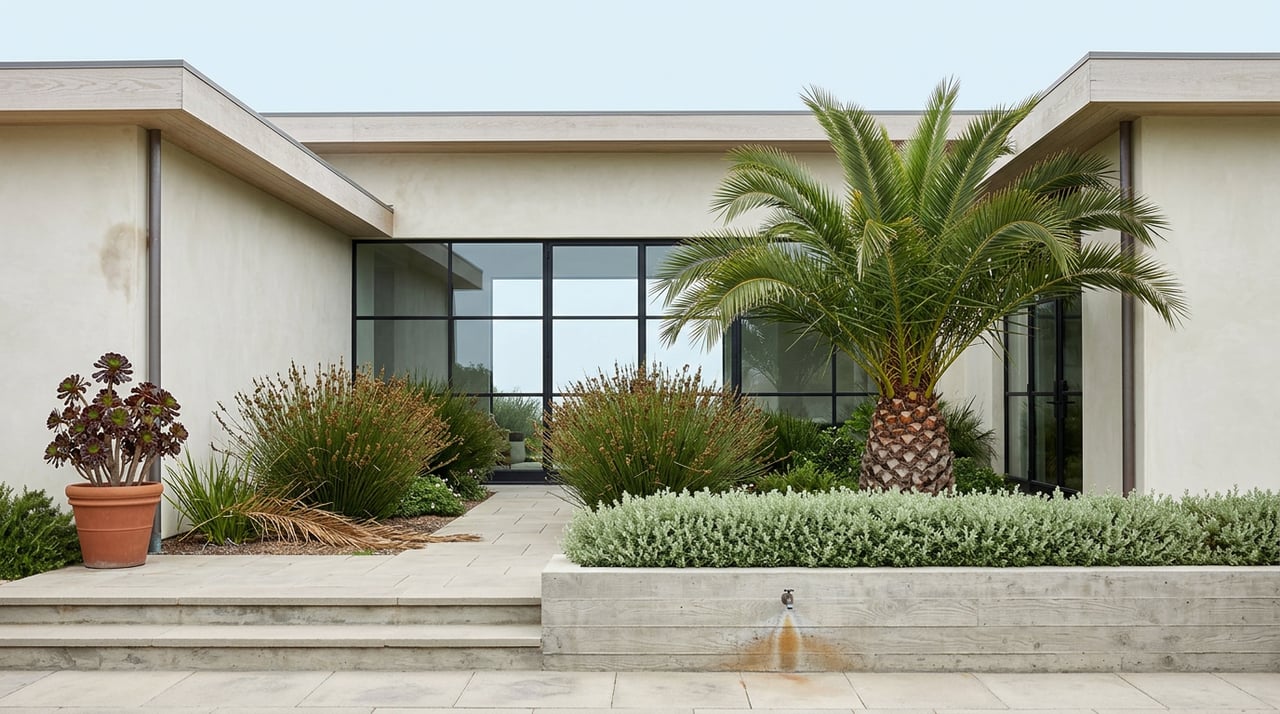
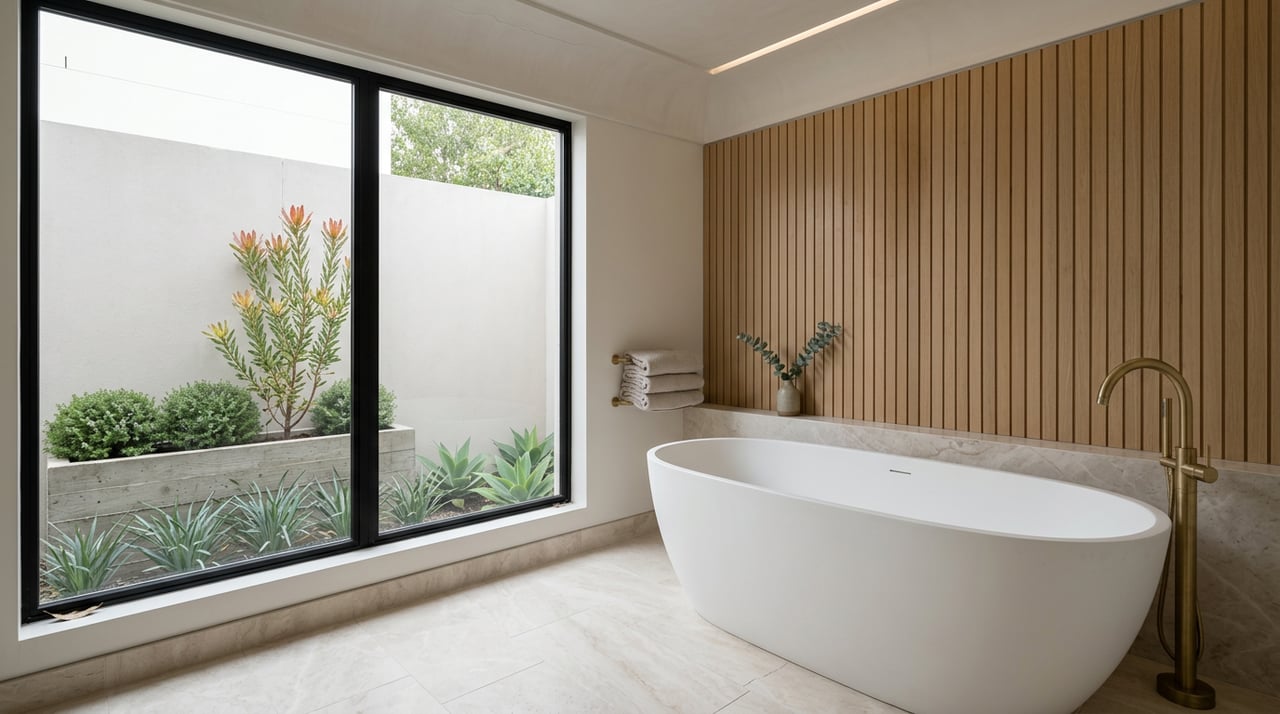
That matters if your taste leans cleaner and more contemporary. In Altadena, character does not always mean ornate. Sometimes it means simplicity, glass, geometry, and a strong relationship to the landscape.
Why buyers are drawn to the lifestyle
A character home can get your attention, but lifestyle is often what turns curiosity into a serious search. In Altadena, the foothill setting plays a major role in that equation.
The community sits beside the Angeles National Forest and Eaton Canyon, and the Altadena Crest Trail has long been valued for broad views that can stretch from downtown Los Angeles to the Pacific Ocean. Altadena also has a long connection to hiking culture, with local heritage sources tracing that identity back to the Mount Lowe Railway era.
Even beyond the mountain backdrop, the area offers smaller rituals that shape day-to-day life. The Altadena Certified Farmers’ Market at 600 W. Palm St. runs on Fridays from 4:00 p.m. to 8:00 p.m. year-round, giving residents a consistent local touchpoint.
Community identity also shows up through home-and-garden tours, local events, and the Lake Avenue and Mariposa business area. Together, those pieces help Altadena feel lived-in and established, not just visually appealing.
Why the streetscape feels memorable
Part of Altadena’s appeal comes from how the homes relate to one another on the street. LA County guidance notes that the Altadena Community Standards District is intended to preserve the character of built-out blocks with existing front yard setbacks larger than 20 feet.
In practical terms, that helps explain why many streets feel open, spacious, and visually consistent. For buyers, that kind of block-level character can matter almost as much as the house itself because it shapes your arrival, your view from the porch, and the overall rhythm of the neighborhood.
Preservation shapes Altadena’s identity
Altadena has a particularly visible preservation culture. LA County says the community includes county landmarks, a pending historic district, and properties that are listed or eligible for state and national registers.
In 2025, the Board of Supervisors approved the northern portion of Historic Highlands as Altadena’s first county historic district. That milestone reflects something many locals and buyers already felt: the area’s architectural history is not incidental. It is part of what gives Altadena its identity.
For buyers, this does not mean every property carries the same historical status or design significance. It does mean you are entering a community where architecture is noticed, discussed, and often valued as part of the neighborhood story.
The 2026 reality: appeal and recovery
Any current conversation about Altadena should also acknowledge recovery from the Eaton Fire. LA County says the fire affected Altadena and created a disaster-recovery process that includes like-for-like replacement rules, non-like-for-like review under current standards, and pre-approved standard plans for rebuilds.
That context matters if you are evaluating the area in 2026. Altadena remains highly appealing for its architecture and setting, but conditions can vary from block to block as recovery continues.
It is also important to be precise about outdoor access right now. LA County says the Eaton Canyon Natural Area, the Altadena Crest Trail, the Altadena Crest Access Trail, and some nearby access points are closed during recovery, with no set reopening date for Eaton Canyon at this time.
Some nearby trails have reopened, but the key takeaway is balance. Altadena’s long-term outdoor appeal remains a real part of its identity, even while some well-known access points are temporarily limited.
What to keep in mind as you search
If you are considering an Altadena character home, it helps to look beyond style names alone. A smart home search here is about understanding how architecture, lot placement, street character, and recovery context all fit together.
A few questions can help guide your thinking:
- Do you want a specific architectural style, or are you open to several?
- Is your priority original character, easier everyday flow, or indoor-outdoor living?
- Are you drawn to northern Altadena for its foothill feel and larger-lot patterns?
- How important is proximity to local gathering points like the farmers’ market or Lake Avenue and Mariposa?
- Are you comfortable evaluating an area that is actively rebuilding in some sections?
When you answer those questions early, your search becomes much more focused. That is especially useful in a neighborhood where two homes at similar price points may offer completely different design eras, layouts, and street presence.
Why local guidance matters in Altadena
Altadena is not a one-note housing market, and that is exactly why it draws so much interest. The same diversity that makes the area appealing can also make it harder to compare homes quickly.
A buyer looking at Altadena often needs more than bedroom and bath counts. You may need help weighing architectural style, block character, lot setting, preservation context, and how current recovery conditions could affect your priorities.
That is where thoughtful local guidance can add real value. If you want a clear, tailored plan for exploring Altadena character homes, The Bono Group can help you navigate the options with a personalized, hands-on approach.
FAQs
What defines a character home in Altadena?
- In Altadena, a character home usually refers to a property with distinctive architectural style and details, such as Craftsman, Spanish Colonial Revival, Tudor Revival, Ranch, Mid-Century, or other historically rooted designs found throughout the community.
What architectural styles can you find in Altadena?
- LA County research identifies a wide mix of styles in Altadena, including Craftsman, Spanish Colonial Revival, Tudor Revival, Prairie, Italianate, Colonial Revival, Queen Anne, Ranch, Post-and-Beam, Contemporary, and more.
Why do buyers like Altadena’s foothill setting?
- Buyers are often drawn to Altadena because it sits below the San Gabriel Mountains near the Angeles National Forest and Eaton Canyon, giving the community a scenic foothill backdrop and a long-standing outdoor identity.
Are larger lots common in northern Altadena?
- County research notes that larger lots and more elaborate homes tend to cluster in northern Altadena closer to the mountains, which helps explain the spacious feel in some parts of the community.
Is Altadena still rebuilding after the Eaton Fire?
- Yes. LA County says Altadena is continuing through a disaster-recovery process related to the Eaton Fire, so buyers should expect some areas to be in active recovery while evaluating homes and neighborhoods.
Are Eaton Canyon and the Altadena Crest Trail open in 2026?
- LA County says the Eaton Canyon Natural Area, the Altadena Crest Trail, the Altadena Crest Access Trail, and some related access points are closed during recovery, and there is currently no set reopening date for Eaton Canyon.