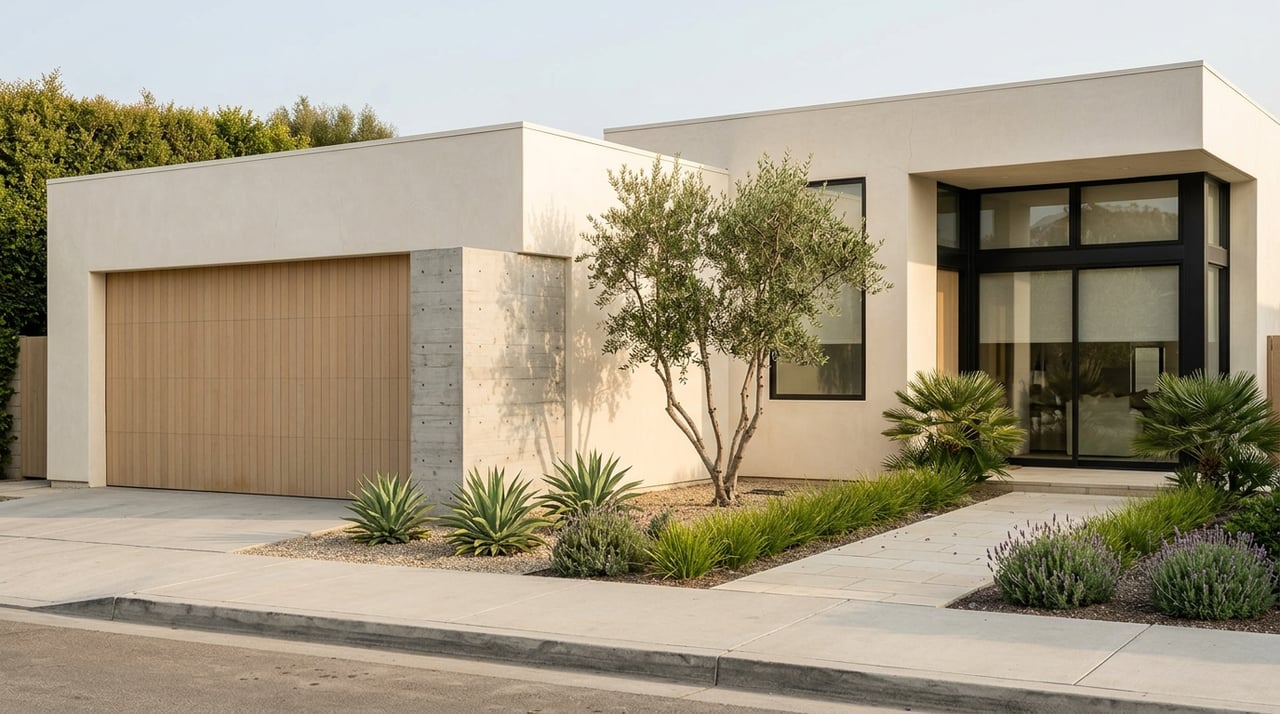
If you are looking at Manhattan Beach and keep hearing people mention the Sand Section, Tree Section, and Hill Section, you are not alone. These names get used all the time, but they are really local shorthand for different parts of one small coastal city, each with its own rhythm and feel. Once you understand how they differ, it becomes much easier to focus your search, compare homes, and picture your daily routine. Let’s dive in.
Why these sections matter
Manhattan Beach is a compact South Bay city about 19 miles southwest of downtown Los Angeles and about 3 miles south of LAX. City materials note that it has 2.1 miles of beachfront, a 928-foot pier, and ground that rises from sea level near the beach to roughly 235 to 245 feet in the higher parts of town.
That change in elevation helps explain why these three sections feel so different even within a relatively small city. The city’s planning documents recognize Sand, Tree, and Hill alongside other areas like Downtown, North End/El Porto, Manhattan Village/Mall, and Eastside.
For you as a buyer or seller, this matters because section names are not just labels on a map. They often point to different street patterns, parking conditions, housing types, and day-to-day routines.
Sand Section explained
The Sand Section is the most beach-oriented part of Manhattan Beach. City planning documents place it within the beachfront planning area, where lots are generally small and the area includes much of the city’s multi-family rental housing.
This part of town is designed to maintain a village atmosphere with specialty retail, service uses, and mixed-use residential and commercial development. In everyday terms, that often translates to a lively setting with strong pedestrian activity and easy access to coastal amenities.
What the Sand Section feels like
The Sand Section is closely tied to walkstreets, The Strand, and Veterans Parkway. It is the part of Manhattan Beach that feels most connected to the ocean and the city’s visitor-facing activity.
If you picture a lifestyle centered on walking, beach access, and being close to the action, this is usually the section people mean. The tradeoff is that the same features that make it appealing can also make it busier than other residential areas.
What to know about parking and density
City documents note that parking is in short supply in the beach area, and the city’s parking pages describe ongoing parking shortages and traffic congestion. Public parking pads in the Sand, Dune, and Tree sections help meet demand.
For buyers, that means it is smart to pay attention to how parking works on a given block, not just inside the home itself. For sellers, parking and access are often important details to prepare for when positioning a property.
Tree Section explained
The Tree Section is the single-family neighborhood east of Grand Avenue and northwest of Valley Drive. According to city planning documents, it is expected to remain almost entirely single-family residential, with only a small commercial pocket near Sepulveda Boulevard.
This section is especially known for its mature tree canopy. The city’s Tree Ordinance highlights the importance of preserving shade, scenic beauty, neighborhood character, and property value.
What makes the Tree Section distinct
One of the Tree Section’s defining traits is its leafy, established look. City materials also note that the lack of standard public improvements and the individual landscaping in the right-of-way contribute to the area’s rural character.
In practical terms, many people experience the Tree Section as quieter and more traditionally residential than the beach zone. It offers a different kind of neighborhood feel, one shaped more by canopy and single-family scale than by oceanfront foot traffic.
What to know about parking in the Tree Section
Parking is still an important topic here. The city has a Tree Section resident permit parking program intended to reduce nonresident parking, and public parking pads also help support demand in this area.
That does not make the Tree Section the same as the Sand Section, but it does show that parking can be a meaningful part of daily life here too. If you are comparing homes, it helps to think about both the house and how the surrounding block functions.
Hill Section explained
The Hill Section is primarily single-family residential, with commercial and higher-density housing largely limited to Sepulveda Boulevard and Manhattan Beach Boulevard. This is the section most closely associated with Manhattan Beach’s higher ground.
Because the city rises from sea level to roughly 235 to 245 feet above sea level, the Hill Section feels less flat than the Sand Section. That topography is one of the clearest physical differences you will notice when moving through Manhattan Beach.
What daily life feels like in the Hill Section
The city’s Mobility Plan says the Hill Section is primarily served by a sidewalk system rather than the Sand Section’s walkstreets-and-Strand network. That detail may sound small, but it shapes how the neighborhood functions.
In broad terms, the Hill Section tends to feel more traditional and residential in its street pattern. Sidewalks, driveways, and local streets play a larger role in everyday movement here than beachfront pedestrian paths.
How open space differs here
City housing and land-use documents note that neighborhoods in the Hill Section rely more on school grounds and private open space than on large public parks. That does not define the entire experience, but it is part of how the section works on a practical level.
For buyers, this is a reminder that neighborhood feel is not just about architecture or lot size. It is also about how you move through the area and where outdoor space shows up in your routine.
Sand vs Tree vs Hill
If you want a simple starting point, think about these sections in terms of your daily habits. The differences are not just about geography. They are about how you want Manhattan Beach to feel once you live there.
| Section | Best known for | Housing pattern | Mobility feel | Key consideration |
|---|---|---|---|---|
| Sand | Beach access and activity | Smaller lots, more multi-family presence in the beach area | Walkstreets, The Strand, pedestrian-oriented | Parking pressure and seasonal activity |
| Tree | Mature canopy and residential calm | Almost entirely single-family | Local neighborhood streets | Resident permit parking and block-by-block differences |
| Hill | Elevation and traditional residential pattern | Primarily single-family | Sidewalk system and local streets | Higher-ground setting and a less beach-centered routine |
How to choose the right section
The best section for you depends on what you want your day to look like. If immediate beach access and a walkable coastal setting are at the top of your list, the Sand Section is usually the clearest fit.
If you want a quieter single-family setting with mature trees and a more tucked-away feel, the Tree Section may stand out. If you prefer elevation and a more traditional residential street pattern, the Hill Section often makes the most sense.
Think beyond the house itself
When you browse Manhattan Beach homes, it helps to ask a few simple questions:
- Do you want to be closest to the beach and pedestrian activity?
- Do you prefer a leafier neighborhood setting?
- Do you want a higher-ground location with a more sidewalk-based layout?
- How important are parking and street access on a daily basis?
- Do you want a livelier setting or a quieter residential feel?
These questions can quickly narrow your search and keep you focused on the areas that align with your routine.
Getting around Manhattan Beach
Transportation can also shape how each section feels. City information notes several public transportation options, 12 public parking lots, bike parking locations, and Beach Cities Transit routes connecting Manhattan Beach with Hermosa Beach, Redondo Beach, El Segundo, Manhattan Village, Downtown Manhattan Beach, the Manhattan Beach Pier, and the LAX City Bus Center.
For commuting, city materials point to pressure around major arterials more than inside quieter residential blocks. The city is actively working on congestion relief at the Manhattan Beach Boulevard and Sepulveda Boulevard intersection, which is an important detail if your route often crosses those corridors.
What this means for buyers and sellers
For buyers, understanding these sections helps you search smarter. Two homes with similar square footage can feel very different depending on whether your daily routine centers on the beach, a tree-lined residential setting, or higher-ground neighborhood streets.
For sellers, section identity helps shape marketing and positioning. A strong presentation should reflect not just the home itself, but also the kind of lifestyle the section supports, whether that is coastal walkability, canopy-lined residential character, or a more elevated neighborhood setting.
At The Bono Group, we believe local context matters because it helps you make more confident decisions. If you are planning a move in Manhattan Beach and want personalized guidance on where to focus, The Bono Group can help you build a strategy that fits your goals.
FAQs
What is the Sand Section in Manhattan Beach?
- The Sand Section is Manhattan Beach’s beach-oriented area, known for close ocean access, walkstreets, The Strand, smaller lots, and more parking pressure.
What is the Tree Section in Manhattan Beach?
- The Tree Section is a primarily single-family neighborhood east of Grand Avenue and northwest of Valley Drive, known for mature trees, residential character, and a resident permit parking program.
What is the Hill Section in Manhattan Beach?
- The Hill Section is a primarily single-family area on higher ground, with a more traditional residential layout shaped by sidewalks, driveways, and local streets.
How do Manhattan Beach sections affect home searches?
- Manhattan Beach sections can affect your search by changing your day-to-day experience, including beach access, parking, street layout, and overall neighborhood feel.
Which Manhattan Beach section is closest to the beach?
- The Sand Section is the part of Manhattan Beach most closely associated with the beachfront and the city’s most coastal, pedestrian-oriented lifestyle.
Which Manhattan Beach section feels most residential?
- Both the Tree Section and Hill Section are strongly residential, but the Tree Section is especially known for canopy and neighborhood calm, while the Hill Section is known for elevation and a traditional street pattern.