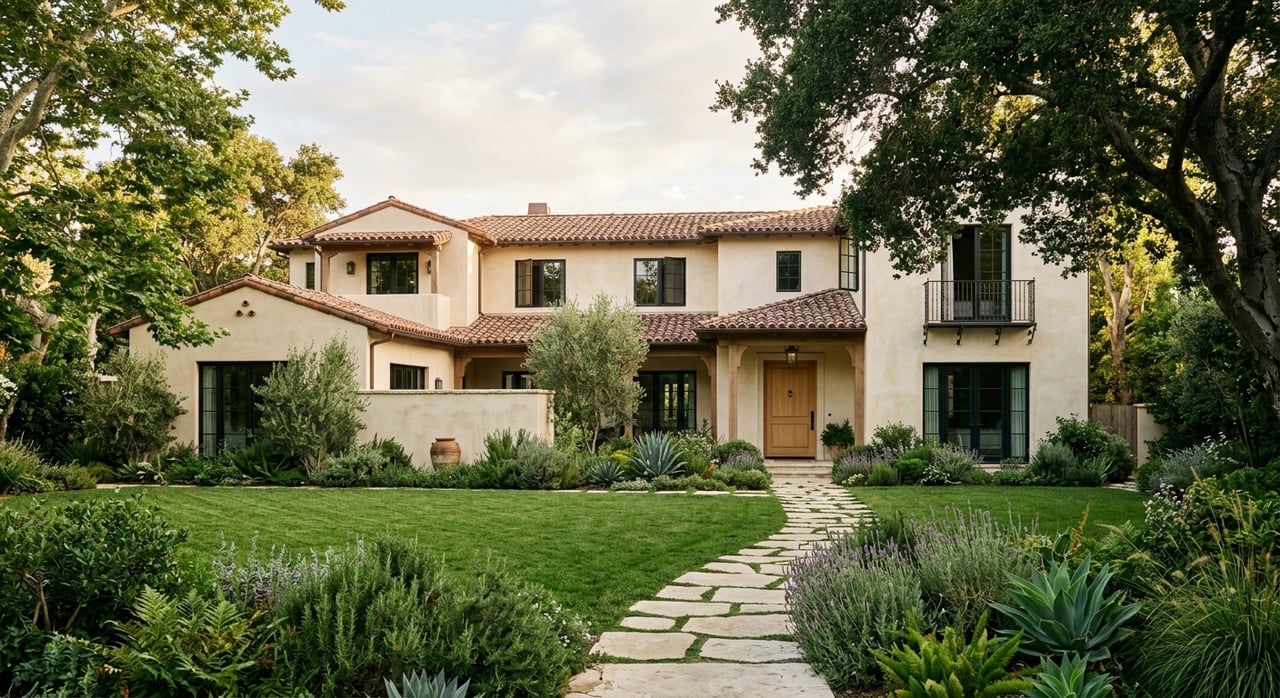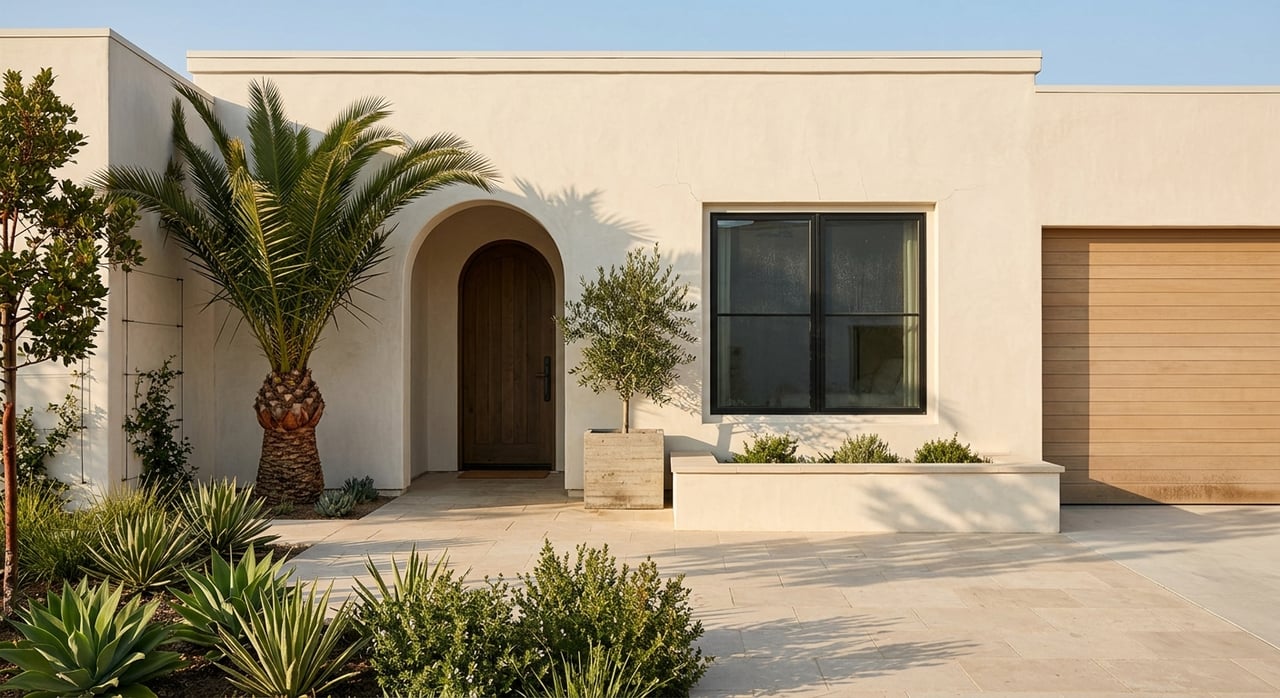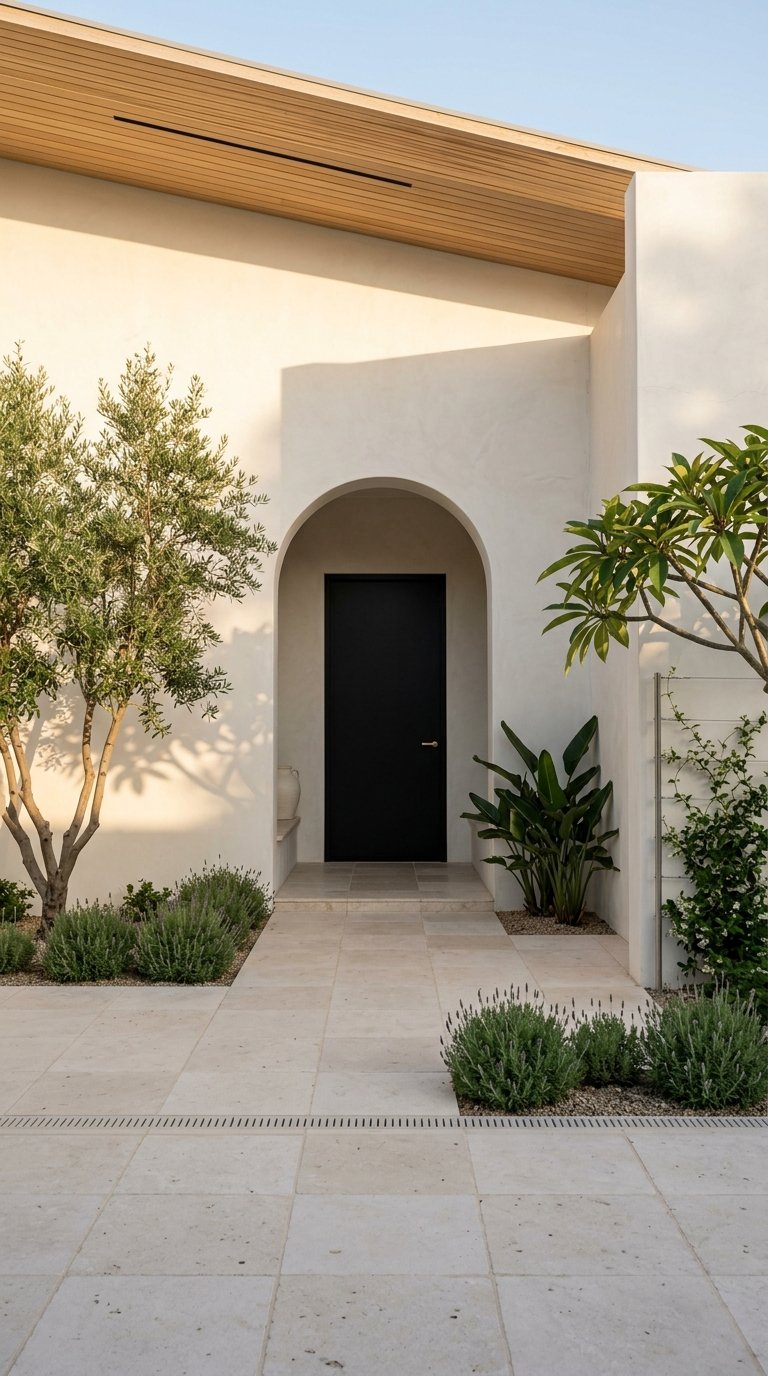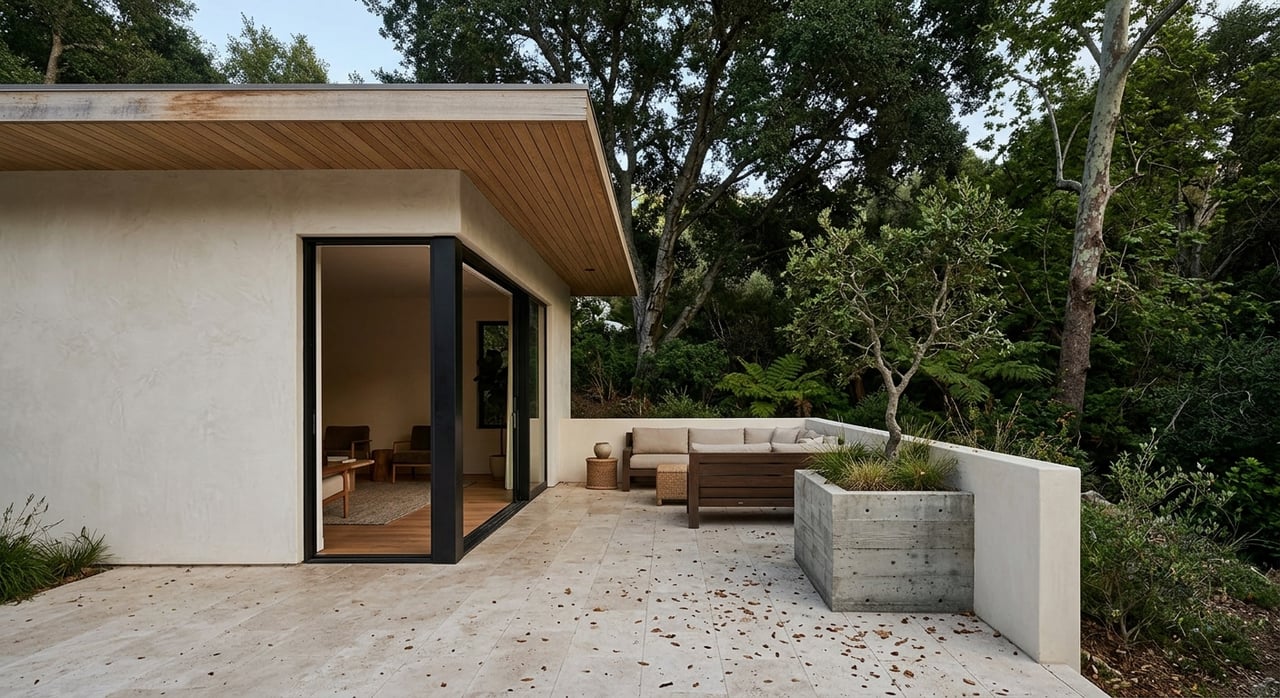
If you have ever wondered why two Studio City homes with the same ZIP code can feel worlds apart, you are asking the right question. This neighborhood is not one uniform place. It is a mix of hills, flatter streets, and canyon-edge pockets, each with a different daily rhythm, price point, and lifestyle feel. If you are trying to buy or sell here, understanding those differences can help you make a smarter move. Let’s dive in.
Why Studio City Feels So Different
Studio City is best understood as a collection of micro-areas rather than a single, predictable neighborhood. City planning documents describe it as a hillside and flatland community at the base of the Santa Monica Mountains, with the Ventura and Cahuenga corridor functioning as its main street.
That corridor is divided into three planning sub-districts: Media, Village, and Western Edge. The Village section is described as pedestrian-oriented, which helps explain why some parts of Studio City feel easy to stroll while others are much more car-dependent.
That difference shows up in the numbers too. Recent market data places the median sale price around $1.97 million, with a median sale price per square foot of about $760 and about 65 days on market. Zillow reports an average home value near $1.60 million and homes going pending in around 46 days, reinforcing that Studio City remains a premium market where pocket selection matters.
Studio City also carries long-standing entertainment industry roots. Planning records note early studio-adjacent growth and residential tracts tied to motion-picture workers and executives, which still shapes the area’s blend of residential calm and industry proximity today.
Hillside Living in Studio City
If you picture Studio City as a place of view homes, winding streets, and dramatic architecture, you are likely thinking about the hillside pockets. These areas tend to offer the strongest sense of privacy, elevation, and visual separation from the busier commercial core.
In Eureka Summit and Wrightwood Estates, the city’s historic-resource inventory describes early 1960s mid-century modern homes on large, irregular parcels. Streets follow the hillside contours, and homes are often oriented toward canyon and Valley views, which gives this area a more custom, design-driven identity.
Fryman Canyon adds a more wooded, estate-like feel. Official documentation notes a mix of Craftsman and Spanish Colonial Revival buildings set among natural landscaping, and the nearby trail network adds to the sense of retreat.
For many buyers, the hills are about four things: views, privacy, architectural personality, and light. In practical terms, this part of Studio City usually offers a more tucked-away lifestyle than the flatter areas near Ventura Boulevard.
What pricing looks like in the hills
The top end in the hills can stretch far beyond the neighborhood median. Recent Fryman Canyon listings have ranged from the low $3 million range up to $32.5 million, showing how dramatically pricing can expand in Studio City’s most elevated and estate-oriented pockets.
That spread matters if you are comparing homes across the neighborhood. A hillside property may not compete directly with a flatter home near Ventura, even if both are labeled Studio City.
What buyers should watch in hillside areas
Hillside beauty comes with practical questions. Redfin flags Studio City with a moderate wildfire risk and notes that 99% of properties have some wildfire exposure over the next 30 years.
If you are touring hillside homes, it helps to pay close attention to:
- Fire-hardening features
- Insurance considerations
- Drainage patterns
- Street access and approach
- Site topography around the home
These are not small details in hillside living. They are part of understanding the full ownership picture.
Canyon-Adjacent Pockets Explained
Canyon-adjacent areas sit in the transition zone between Ventura Boulevard and the more secluded hills. These pockets often give you a middle ground, with a quieter setting and more tree cover while still keeping daily conveniences within reach.
The city’s streetscape plan describes the Western Edge sub-district as rising steeply from Whitsett Avenue to Coldwater Canyon Boulevard. That creates the dramatic backdrop many people associate with this side of Studio City.
For outdoor access, Wilacre Park is a major anchor. The Mountains Recreation and Conservation Authority says the park sits in the eastern Santa Monica Mountains off Laurel Canyon Boulevard and connects to the Betty B. Dearing trail system, which links to Fryman Canyon Park, Coldwater Canyon Park, and Franklin Canyon Park.
Who canyon-adjacent living tends to suit
If you want tree cover, trail access, and a quieter residential feel, canyon-adjacent streets can be appealing. The tradeoff is that daily errands may feel less spontaneous than they do in the flatter, more central parts of Studio City.
In simple terms, these pockets often balance nature and convenience. You are still connected to the neighborhood’s commercial spine, but your immediate surroundings may feel more tucked in and topographically varied.
Flats and the Village Core
If your version of Studio City includes coffee runs, sidewalk storefronts, weekend market stops, and easier transit access, the flats and Village core are where that picture comes into focus. These are generally the areas where Studio City feels most walkable and connected.
The Studio City Commercial Planning District is described as a half-mile corridor along Ventura Boulevard between Laurel Canyon and Whitsett. Planning records describe it as Studio City’s primary commercial shopping district, with one-story storefronts at the sidewalk, wide concrete sidewalks, mature palms, and a pedestrian-scale character.
Tujunga Village adds another well-known walkable pocket. The Tujunga Village Commercial Historic District on Tujunga Avenue between Moorpark and Woodbridge is described as pedestrian-oriented, with wide sidewalks, mature trees, and limited surface parking.
Residential character on the flats
The flatter side of Studio City is not only about commercial access. It also includes established residential areas with a distinct historic pattern.
The Valley Spring and Riverton district includes 53 mostly one-story single-family homes built between 1919 and 1950. City planning records note uniform setbacks, sidewalks, landscaped parkways, and an early automobile suburb pattern that still helps define the look and feel of this flatland area.
Everyday convenience in the core
Daily life in the flats often feels more plugged in. The Studio City Farmers Market runs every Sunday on Ventura Place and includes more than 80 farmers, artisans, food vendors, and children’s attractions.
The Studio City Recreation Center at 12621 Rye Street adds another neighborhood amenity, with tennis, basketball, picnic areas, and other local recreation options. For transit, the Universal and Studio City Metro station is served by the Metro B Line and local bus service, making the Ventura and Lankershim area one of the stronger access points in the neighborhood.
Prices in walkable pockets
Walkability does not mean lower pricing here. Current Colfax Meadows listings have shown homes in roughly the $2.4 million to $4.8 million range, while Silver Triangle listings have included recent prices around $6.5 million to $7.25 million.
That pricing shows how valuable proximity to Ventura Boulevard and a more walkable setting can be. In Studio City, convenience can command a premium just as easily as views can.
How to Choose the Right Pocket
For most buyers, the question is not whether Studio City works. The real question is which version of Studio City fits your life best.
Here is a simple way to frame it:
- Choose the hills if views, privacy, and custom architecture are at the top of your list.
- Choose canyon-adjacent streets if you want trail access, more tree cover, and a quieter setting.
- Choose the flats and Village core if you want dining, errands, the farmers market, and Metro access to play a bigger role in daily life.
This is also why pricing can vary so much from one area to another. Some place names, like Tujunga Village, are reflected in planning and historic documents, while others, like Silver Triangle and Colfax Meadows, are common market labels used in listings. Either way, the underlying point is the same: location inside Studio City matters just as much as location in Studio City.
What This Means for Buyers and Sellers
If you are buying, it helps to define your daily priorities before you fall in love with a specific house. A beautiful home in the hills may deliver privacy and views, but a flatter location near Ventura may better support your routine if walkability and access matter more.
If you are selling, knowing how your pocket fits into the larger Studio City story can shape pricing, marketing, and buyer targeting. A hillside architectural property, a canyon-edge retreat, and a Village-adjacent home each need a slightly different narrative because buyers are often shopping for a lifestyle as much as a floor plan.
That is where local context matters. When you understand how Studio City’s micro-areas differ, you can evaluate value more clearly and position a home more effectively.
If you are considering a move in Studio City and want a more tailored read on which pocket aligns with your goals, The Bono Group offers a white-glove, data-informed approach designed to help you move with clarity and confidence.
FAQs
What makes Studio City different from block to block?
- Studio City includes hillside, flatland, and canyon-edge areas, and each one offers a different mix of privacy, walkability, views, and access to Ventura Boulevard.
What is the most walkable part of Studio City?
- The areas around Ventura Boulevard, including the Village core and Tujunga Village, are among the most pedestrian-oriented parts of Studio City based on city planning descriptions.
What should buyers know about Studio City hillside homes?
- Hillside homes often offer views, privacy, and custom architecture, but buyers should also evaluate wildfire exposure, drainage, insurance, and access.
What is canyon-adjacent living like in Studio City?
- Canyon-adjacent pockets generally offer more tree cover, quieter surroundings, and easier access to trails like those connected through Wilacre Park.
Are Studio City flats less expensive than the hills?
- Not always. While the hills can reach the neighborhood’s highest price points, walkable flatland pockets like Colfax Meadows and Silver Triangle also command premium prices.
Why do some Studio City areas have different names?
- Some names, like Tujunga Village, appear in planning and historic records, while others, like Silver Triangle and Colfax Meadows, are commonly used market labels in current listings.