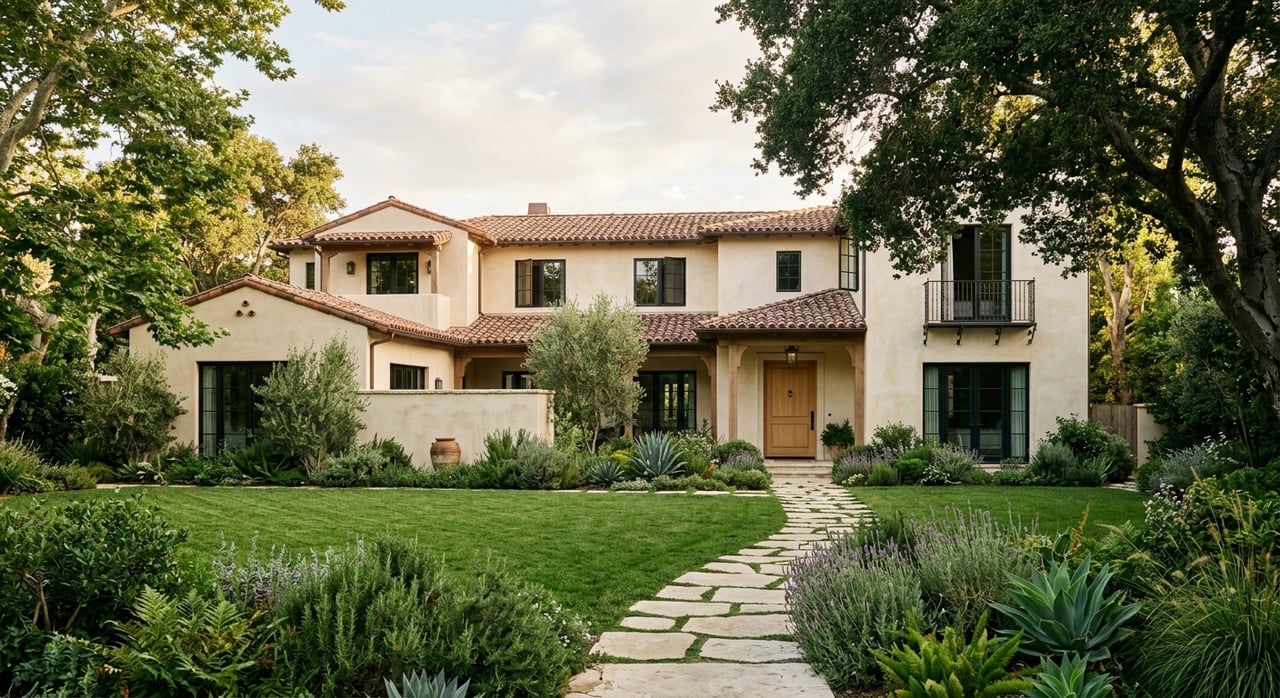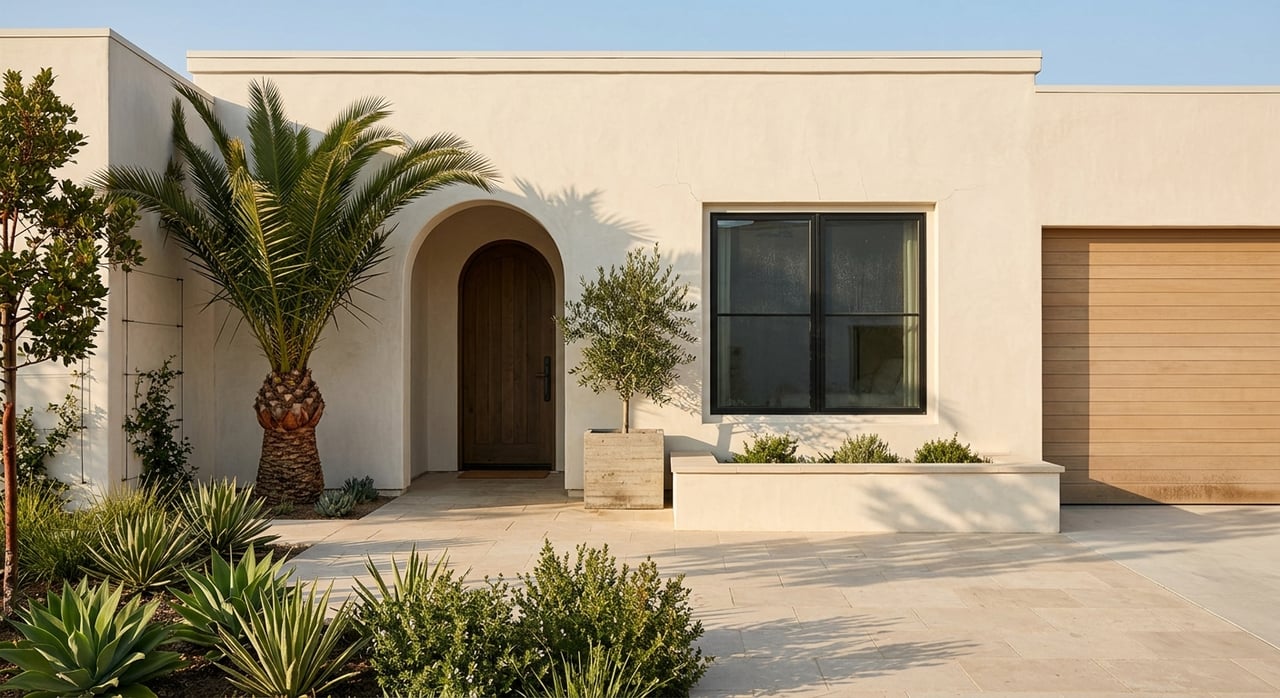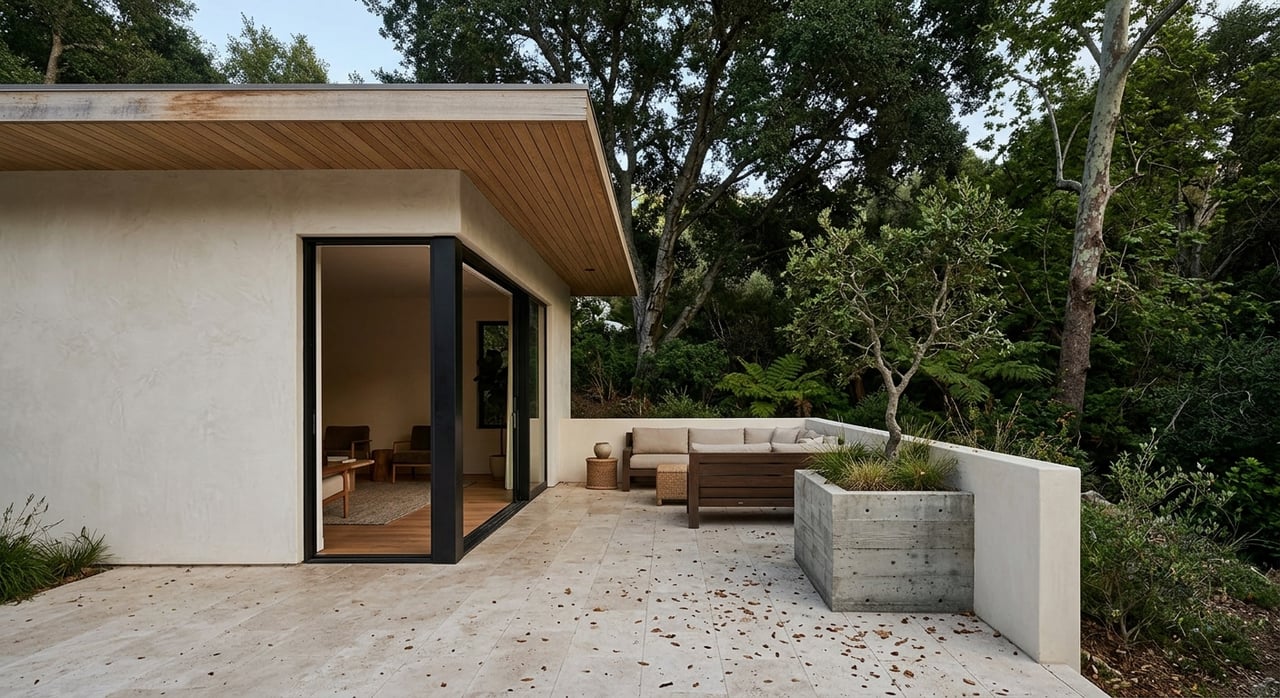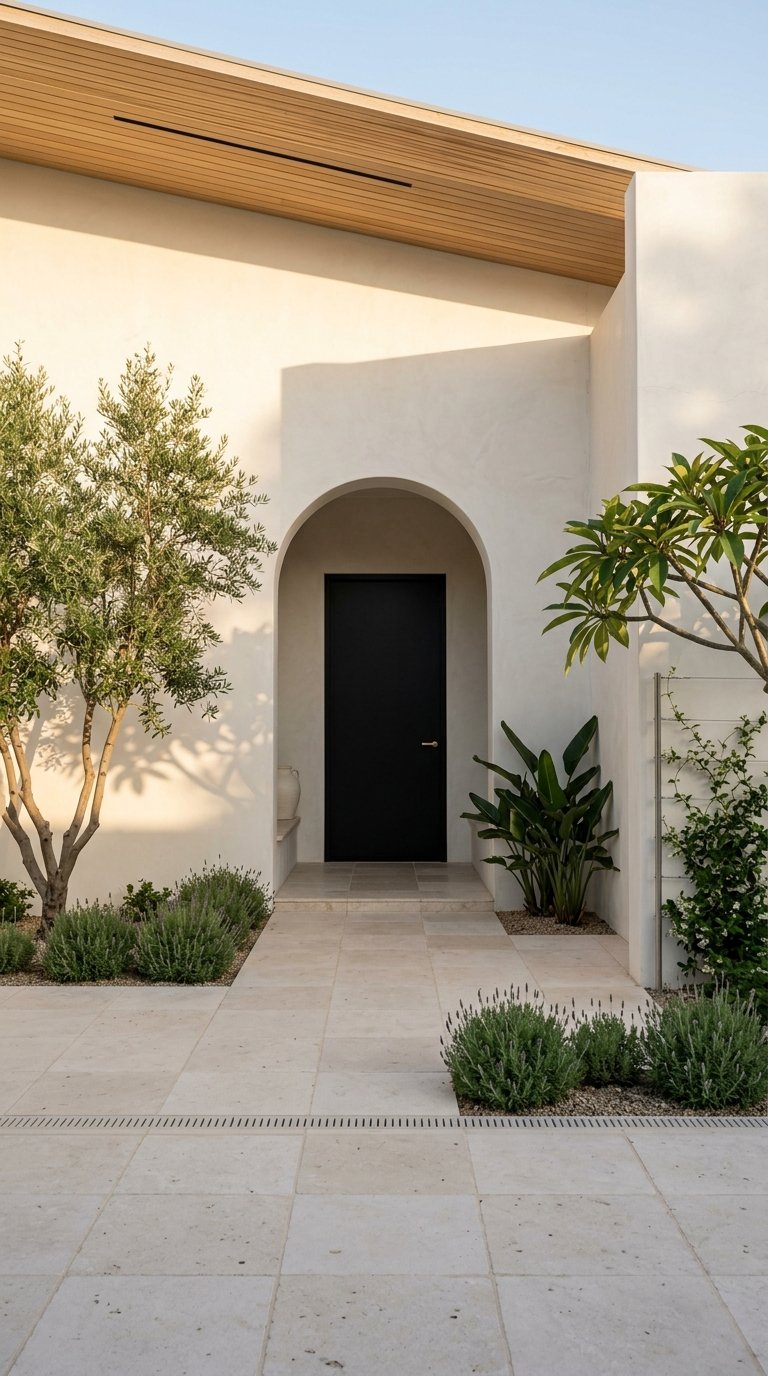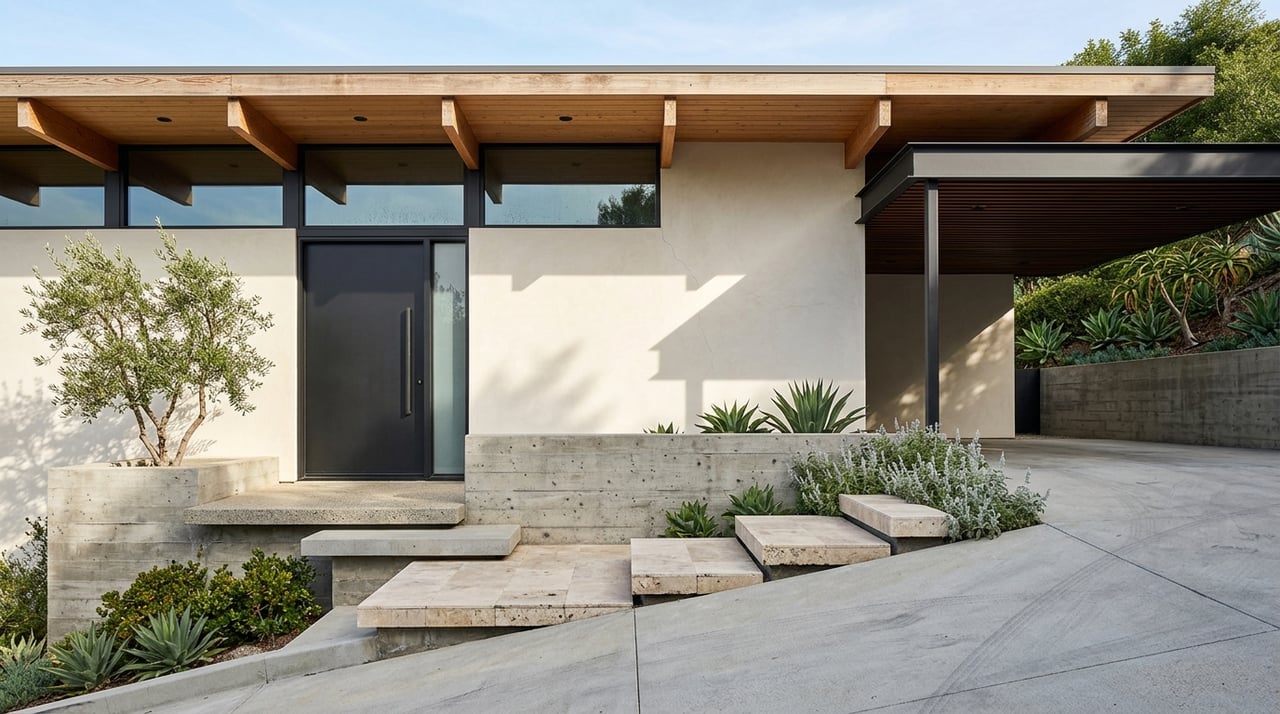
If you have ever dreamed of owning a glass-walled, post-and-beam home above the city, the Hollywood Hills may feel like the ultimate match. Mid-century homes here offer iconic design, dramatic lots, and a strong connection between architecture and landscape, but they also come with a level of due diligence that buyers should take seriously. If you are considering this kind of purchase, it helps to know what makes these homes special, what can complicate ownership, and what to verify before you close. Let’s dive in.
Why Hollywood Hills Mid-Century Homes Stand Out
The Hollywood Hills is home to some of Los Angeles’s most recognized modernist houses. Landmarks like the Stahl House, the Chemosphere, the Bailey House, and the Glazier House show why this area remains so appealing to buyers who love architecture.
In the Hollywood Hills, the setting is part of the design. Many homes were created to work with steep lots, hillside streets, and wide urban views, so the land itself often adds both value and complexity.
Signature Mid-Century Features
Many of these homes share a clear design language. Common features include post-and-beam construction, steel-frame systems, large expanses of glass, open floor plans, and strong indoor-outdoor flow.
On hillside sites, you may also see split levels, cantilevers, dramatic overhangs, compact footprints, and even unusual access solutions. In this part of Los Angeles, those details are not just stylistic choices. They are often direct responses to the terrain.
What Buyers Should Inspect Carefully
A beautiful mid-century home can still have practical issues hiding behind the design. Because many Hollywood Hills homes were built before 1978, you should go into the process expecting a more detailed inspection path.
According to the EPA’s lead paint guidance, buyers should generally assume pre-1978 housing contains lead-based paint unless a certified inspector or risk assessor confirms otherwise. The EPA also advises that asbestos-containing materials should not be disturbed without trained and accredited professionals if repair or removal is needed.
Roofing and Waterproofing Matter
Mid-century homes often feature flat or low-slope roofs, extensive glazing, and details that can be vulnerable to water intrusion if they have not been maintained well. The Los Angeles Department of Building and Safety, or LADBS, inspects construction in stages that include roofing, exterior finishing, and waterproofing.
For you as a buyer, that makes roof membranes, flashing, window seals, and drainage worth close attention. In a hillside property, small waterproofing issues can become larger and more expensive if water starts moving where it should not.
Older Systems Deserve a Hard Look
LADBS inspection categories also include framing, electrical, plumbing, and heating and cooling systems. In an older home, these are some of the first areas to review carefully.
That does not mean every mid-century property has problems. It means you should understand what has been updated, what may still be original, and whether prior work appears to have been completed with proper permits.
Permit History Can Reveal a Lot
In a market where many homes have been remodeled over time, permit history matters. LADBS records can help you see what permits were issued and what work was constructed with permits.
This is especially useful if a home has additions, major alterations, or updates that may have changed the original design. Before you close, you want a clearer picture of what was legally approved and what may need more review.
Hillside Risks Are Part of the Purchase
Buying in the Hollywood Hills is not the same as buying on a flat lot. The same features that create incredible views and dramatic architecture can also create real site constraints.
When you buy here, you are not just evaluating the house. You are evaluating the relationship between the house, the slope, the access, the drainage, and the broader hillside environment.
Fire Zone Status and Defensible Space
Hollywood is among the communities included in Los Angeles’s Very High Fire Hazard Severity Zone tools and guidance. The Los Angeles Fire Department directs buyers and sellers to check parcel-specific status using its Fire Zone tools.
LAFD also states that AB 38 fire-hardening and defensible-space disclosures apply to residential properties in the VHFHSZ, with the fire-hardening portion applying to homes built before January 1, 2010. If you are buying an older mid-century home, that is an important point to verify during escrow.
Brush Clearance Is Ongoing
Brush clearance is not a one-time project. According to LAFD brush clearance requirements, it is a year-round responsibility in the VHFHSZ.
Those requirements address vegetation within 200 feet of structures and within 10 feet of combustible fences or driveways used for vehicle travel. For buyers, this affects both maintenance planning and how you think about landscaping around the home.
Slope Stability and Grading Review
Steep lots can add engineering complexity that is easy to underestimate. LADBS states that grading permits are required for grading and earthwork in the Hillside Grading Area, and soils or geology reports are usually required before permits are issued.
Its guidance also flags slope repairs, landslide repairs, retaining walls, basement excavations, and pool excavations in hillside areas as work that may require grading plan checks. Reports are expected to address drainage, geologic conditions, and future project stability. If a property has had significant hillside work, you will want to review that history carefully.
Watch Post-Fire Runoff Risk
The California Geological Survey warns that people living on or below hillsides should be aware that rainy seasons can increase flash-flood and debris-flow risk, especially on slopes burned by recent wildfires.
That does not mean every Hollywood Hills property faces the same risk. It does mean you should understand nearby burn history, drainage patterns, and how the site handles stormwater before moving forward.
Historic Status Can Affect Future Plans
Not every mid-century home in the Hollywood Hills has formal historic status, but some do. If a property is locally designated, listed, or located in a preservation overlay area, your future renovation options may involve an added layer of review.
According to Los Angeles City Planning preservation guidance, properties designated as Historic-Cultural Monuments, or listed in the National Register or California Register, are reviewed for conformance with the Secretary of the Interior’s Standards.
HPOZ and Design Review
City Planning also notes that properties in HPOZs are subject to additional review for exterior work, landscaping, alterations, additions, and new construction. Each district has design guidelines and a review board.
Before you plan changes, you can check a property’s status through ZIMAS and HistoricPlacesLA using the city’s preservation resources. That step can save you time, money, and frustration later.
Mills Act Benefits May Transfer
There can also be benefits tied to historic status. The city explains that the Mills Act program can provide property tax savings for eligible Historic-Cultural Monuments and contributing HPOZ properties, and those contracts transfer to new owners when the property is sold.
If a home you are considering has a Mills Act contract, that may become an important part of your long-term ownership planning.
A Smart Due Diligence Sequence
Mid-century homes in the Hollywood Hills can be deeply rewarding to own, but they usually reward careful buyers the most. A thoughtful process helps you appreciate the design while still protecting your investment.
A practical sequence often looks like this:
- Verify whether the property has historic status or special preservation review.
- Pull permit history through LADBS.
- Review hillside issues such as grading, retaining walls, drainage, and any soils or geology documentation.
- Confirm fire zone status, disclosure requirements, and ongoing brush-clearance responsibilities.
- Budget for maintenance on roofing, waterproofing, glass, and older systems.
This approach helps you move from admiration to informed decision-making. That is especially important in a neighborhood where architectural beauty and site complexity go hand in hand.
Buying With the Right Guidance
A mid-century Hollywood Hills purchase is rarely just about square footage or finishes. You are buying design, topography, and a long-term maintenance story all at once.
That is why many buyers benefit from a process that is organized, detail-driven, and calm from start to finish. If you want help evaluating a Hollywood Hills mid-century home with a white-glove, hands-on approach, connect with The Bono Group for guidance tailored to your goals.
FAQs
What makes a Hollywood Hills mid-century home different from other Los Angeles homes?
- Hollywood Hills mid-century homes often combine classic features like post-and-beam construction, open plans, and large glass walls with steep-lot design solutions such as split levels, cantilevers, and compact hillside footprints.
What should buyers inspect first in a Hollywood Hills mid-century home?
- Buyers should pay close attention to roofing, waterproofing, window seals, drainage, and older electrical, plumbing, and heating and cooling systems, along with the home’s permit history.
Do Hollywood Hills mid-century homes have wildfire-related disclosure concerns?
- Many properties in this area may fall within Los Angeles fire zone designations, so buyers should verify parcel-specific status and review any applicable AB 38 fire-hardening and defensible-space disclosure requirements.
How can buyers check permit history for a Hollywood Hills house?
- Buyers can review LADBS records to see what permits were issued and what work appears to have been legally constructed or approved.
Can historic status affect renovations on a Hollywood Hills mid-century home?
- Yes. If a property is designated as historic or located in an HPOZ, exterior work, additions, landscaping, and alterations may be subject to additional city review and design standards.