Buying in Pasadena can move fast. In a competitive market with older homes and unique local risks, contingencies are your safety net. You want to write a strong offer without taking on surprises like foundation repairs, low appraisals, or loan delays. In this guide, you’ll learn what each contingency does, typical Pasadena timelines, and how to stay competitive while protecting your deposit. Let’s dive in.
What contingencies do for you
Contingencies are conditions in your purchase contract that must be satisfied for you to move forward. They give you time to inspect the home, confirm financing, review title or HOA documents, and evaluate disclosures. If a contingency is not met and you have not removed it, you can usually cancel and keep your earnest money.
In Pasadena, many sellers want shorter contingency periods. You can still protect yourself if you plan your inspections and loan work early and choose timelines that match your comfort level.
Pasadena market norms that matter
Pasadena sits within the Los Angeles County market, which is often competitive. Multiple offers are common in many neighborhoods, so sellers tend to prefer shorter contingency windows or fewer contingencies.
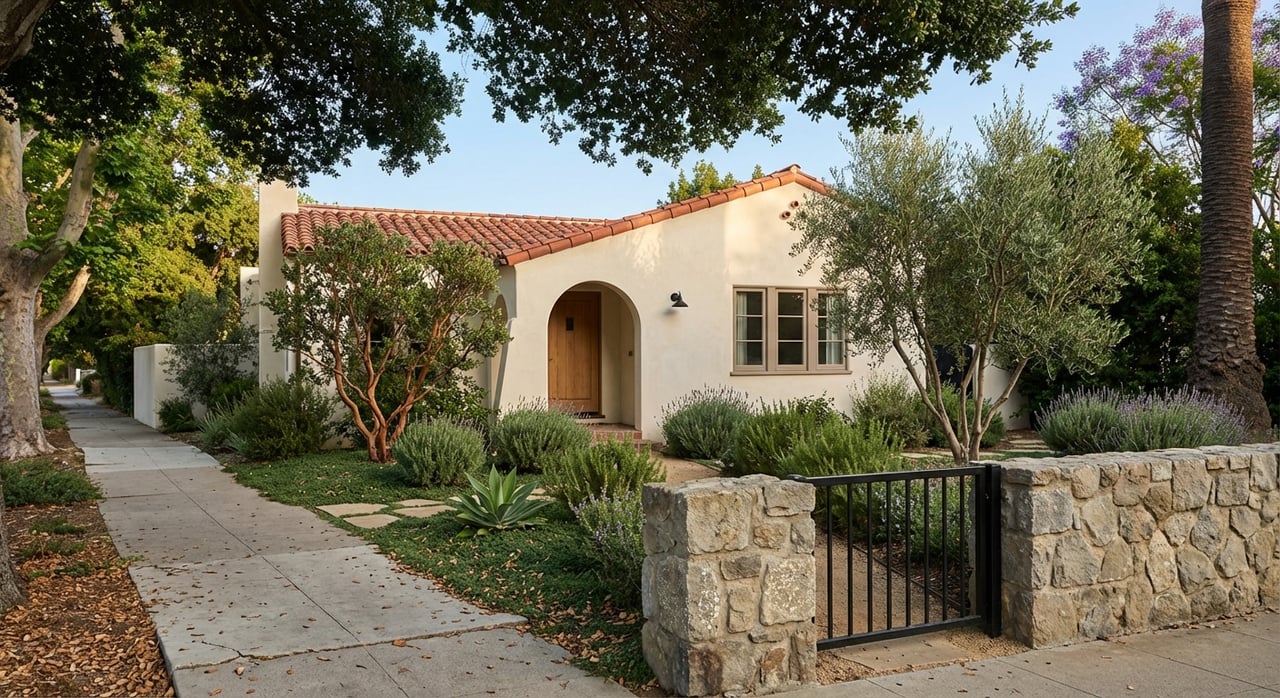
Many Pasadena homes are older or historic. Craftsman and early 20th century properties often need deeper inspections for foundation, electrical, plumbing, sewer lines, chimneys, and termite activity. Local hazards like earthquakes and wildfire exposure near the foothills also shape due diligence.
Typical escrow lengths in LA County are 30 to 45 days for conventional financing. Shorter escrows, about 21 to 30 days, are possible with strong lender readiness.
Core contingencies and how they protect you
Inspection contingency
- What it covers: Your right to investigate the property. This includes a general home inspection and any specialty inspections you choose, such as pest or termite, roof, sewer scope, HVAC, chimney, foundation or structural, and environmental checks.
- Typical Pasadena timelines: 7 to 10 days in competitive situations. 10 to 17 days for a more standard approach.
- What happens: You schedule inspections right away. If issues arise, you can request repairs, a credit, or a price change. If the contingency is still in place and the issues are not acceptable, you can cancel.
- Pasadena notes: Termite inspections are common. Older homes may have knob-and-tube wiring, galvanized plumbing, or unpermitted modifications, which call for specialty inspectors.
Loan contingency
- What it covers: Your ability to cancel if you cannot obtain financing under the terms in the contract.
- Typical timelines: 17 to 21 days is common. Lenders often need 21 to 30 days from opening escrow to complete underwriting, depending on loan type.
- What happens: You provide documents quickly. The lender works through conditions toward clear-to-close. If you remove your loan contingency early and the loan falls through later, your deposit can be at risk.
- Tip: A full pre-approval, not just pre-qualification, strengthens your offer and can support a shorter loan contingency.
Appraisal contingency
- What it covers: Protection if the lender’s appraisal is below the purchase price.
- Typical timelines: Often tied to the loan contingency period. Appraisals are usually ordered quickly and can come back 7 to 14 days after ordering.
- What happens if value is low: You can renegotiate, bring in extra cash, or cancel if you still have appraisal protection. Waiving appraisal protection is risky unless you can comfortably cover a shortfall.
Sale of your current home
- What it covers: Your purchase depends on selling and closing your current property.
- Pasadena practice: Sale contingencies are less attractive in multiple offers. If accepted, sellers often want clear milestones and may keep marketing the home with a backup offer.
- Structuring options: A defined sale period or a “kick-out” clause that lets the seller move forward with another buyer after giving you notice.
Title and HOA document review
- Title review: You get a preliminary title report. You typically have 3 to 10 days to review exceptions, liens, or easements and raise objections.
- HOA review: For condos and planned developments, you have a set window, often 3 to 10 days, to review CC&Rs, budgets, reserves, minutes, and any litigation. You can cancel during this window if the documents reveal issues you cannot accept.
Statutory disclosures
- Required in California: Transfer Disclosure Statement, Natural Hazard Disclosure, Seller Property Questionnaire, and lead-based paint disclosure for homes built before 1978.
- Pasadena notes: Review permit history and any historic designation details. Local restrictions can apply to exterior changes on designated properties.
Environmental and hazard items
- What to check: Potential hazardous materials, soil issues near older industrial sites, and rare contamination events.
- Earthquake: No standard homeowners policy covers earthquakes. You may learn about retrofit history or unreinforced masonry in inspections.
- Wildfire: Properties near the foothills may carry higher wildfire risk. Confirm defensible space and whether the property lies in a high fire severity zone.
Typical timelines and sample schedules
Every offer is unique, but these schedules reflect common LA County and Pasadena approaches. Match your strategy to the property and your risk tolerance.
Aggressive and competitive
- Inspection: 7 days
- Loan: 17 days
- Appraisal: 17 days, tied to loan
- Escrow: 21 to 30 days
- Title and HOA review: 3 to 5 days
Standard balance
- Inspection: 10 days
- Loan: 21 days
- Appraisal: 21 days
- Escrow: 30 to 45 days
- Title and HOA review: 5 to 10 days
Conservative and buyer-protective
- Inspection: 14 to 17 days
- Loan: 30 days
- Appraisal: 21 to 30 days
- Escrow: 45 days or more
- Title and HOA review: 7 to 10 days
Pasadena due diligence checklist
Structural and systems
- General home inspection focused on structure, roof, foundation, grading, and drainage.
- Structural engineer if you see foundation cracks, slope conditions, or complex retaining walls.
- Roof evaluation for age, leaks, and permit history.
- Sewer scope, especially for homes older than about 40 years.
- Termite and wood-destroying pest inspection with a clearance report.
- HVAC, plumbing, and electrical inspections. Watch for galvanized pipes, undersized service, or older wiring.
- Chimney and fireplace inspection for older homes.
Hazards and environment
- Confirm natural hazard disclosures for flood, seismic, landslide, and wildfire zones.
- Wildfire readiness for foothill or Arroyo-adjacent properties, including defensible space and fire-safe materials.
- Asbestos and lead testing for pre-1978 homes if you plan major renovations.
Permits and historic preservation
- Check City of Pasadena permit history for remodels, additions, ADUs, and any open or finaled permits.
- Verify any historic designation and related restrictions on exterior changes.
- Review whether any past work appears unpermitted.
Financial and taxes
- Look for special assessments such as Mello-Roos on the tax bill.
- Expect supplemental property taxes after closing.
- Review the preliminary title report for liens or assessments.
HOA and condo items
- Review CC&Rs, budgets, reserve study, meeting minutes, and any pending litigation.
- Evaluate reserve levels and assessments since they affect monthly costs and financing.
Utilities and municipal
- Confirm water and sewer lateral responsibilities. Some cities require testing or compliance at sale. Verify Pasadena’s current rules during escrow.
- If a property uses a septic system, confirm permits and maintenance status.
Insurance and affordability
- Price earthquake insurance since it is separate from standard coverage.
- Review wildfire and brush risk, which can affect premiums or availability.
Smart negotiation without losing protection
Understand the risks of waiving
- No inspection contingency means accepting the property as is with limited recourse later.
- No loan contingency can put your deposit at risk if financing falls through.
- No appraisal protection means you may need extra cash if value comes in low.
Safer strategies sellers still like
- Keep an inspection contingency but make the period short and schedule inspectors immediately.
- Ask for a closing credit in place of repairs to keep things moving.
- Do a limited pre-inspection, when feasible, so you can remove the inspection contingency sooner.
- Add targeted language that lets you cancel for major structural or safety findings.
Prepare a strong Pasadena offer
- Secure a full lender pre-approval with documentation so you can consider a shorter loan contingency.
- Line up inspectors before you write the offer so you can book Day 1 of escrow.
- If you must sell to buy, prepare a clear plan with defined milestones. Consider options like rent-back or bridge solutions to reduce reliance on a sale contingency.
- Work with local pros who understand Pasadena’s older housing stock, escrow timelines, and specialty vendors.
What to expect during escrow
Escrow coordinates title work, payoffs, recording, and closing. Title and HOA documents arrive early for your review window. Your lender processes underwriting and orders the appraisal once you are in contract. With a realistic timeline and fast scheduling, you can meet contingency dates and close smoothly within the standard 30 to 45 days.
Final thoughts
You do not need to choose between protection and competitiveness. With the right plan, you can keep key contingencies, move quickly, and still write a compelling offer in Pasadena. If you want a clear timeline, vetted inspectors, and steady guidance from offer to close, we are here to help.
Ready to navigate contingencies with confidence? Connect with The Bono Group to plan your Pasadena purchase today.
FAQs
What is a contingency in a California home purchase?
- A contingency is a condition that must be met for your purchase to proceed, such as inspections, loan approval, or appraisal; if it is not met and not removed, you can usually cancel and keep your deposit.
How long are typical contingency periods in Pasadena?
- Common timelines are 7 to 10 days for inspections in competitive offers, 17 to 21 days for loan and appraisal, and a 30 to 45 day escrow for conventional financing.
What if the appraisal comes in below the purchase price?
- You can renegotiate with the seller, bring in extra cash to cover the gap, or cancel if your appraisal contingency remains in place.
Are sale contingencies accepted in Pasadena?
- They can be, but sellers often prefer offers without them in multiple-offer situations; if accepted, sellers usually want clear timelines and may continue to market the home.
Which inspections are most important for older Pasadena homes?
- Start with a general inspection, termite report, sewer scope, roof, chimney, and targeted electrical, plumbing, and foundation reviews, then add specialists as needed.
Do I need earthquake insurance when buying in Pasadena?
- Standard homeowners policies do not cover earthquake damage, so you should evaluate separate earthquake insurance and consider any retrofit history found during inspections.