If you picture your best day in Manhattan Beach, chances are it starts on the Strand, detours through a park, and ends with a sunset at the pier. You want easy ways to get outside, meet friends, and move around without always getting in the car. In this guide, you’ll learn how access to the Strand, parks, and the pier shapes daily life, property demand, and your tradeoffs as a buyer. Let’s dive in.
The Strand and bike path
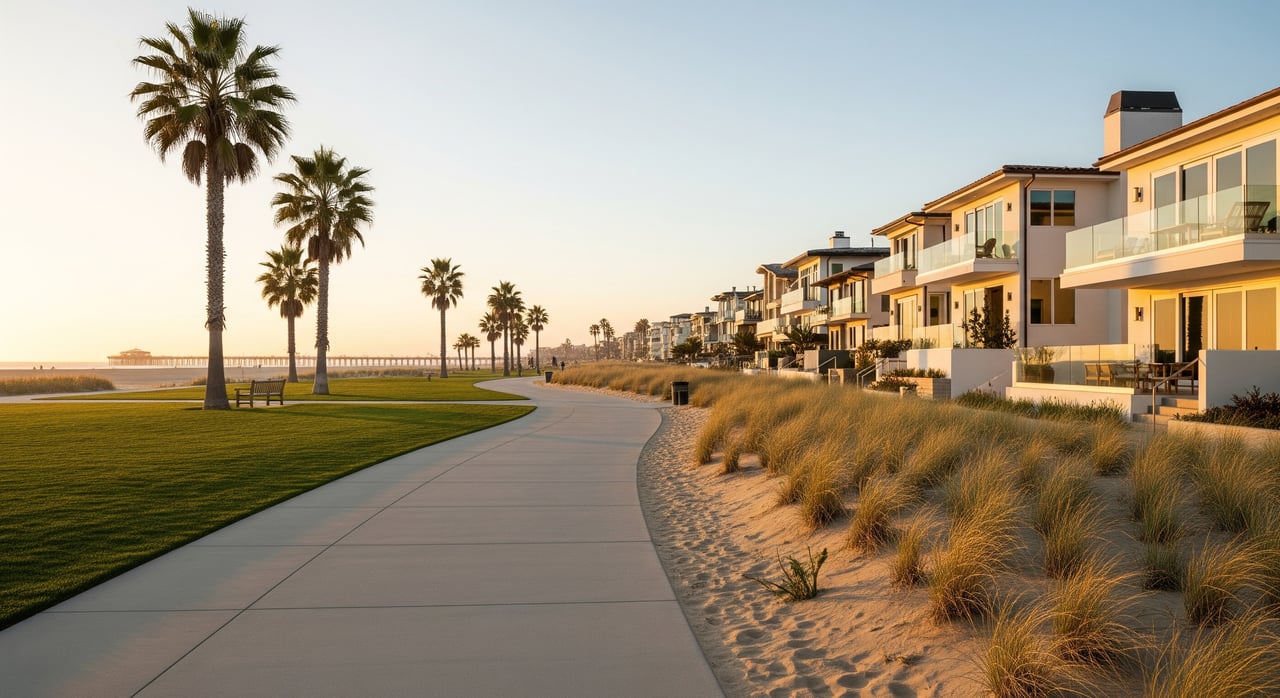
The paved waterfront path that locals call the Strand is part of the Marvin Braude Bike Trail. It runs along the entire Manhattan Beach shoreline and connects to neighboring sections to the north and south. You can walk, run, or bike for miles with the ocean at your side and direct access to the sand.
On a practical level, the Strand gives you continuous, car-free access up and down the coast. It is a high-volume, mixed-use corridor shared by pedestrians, runners, cyclists and families. Expect more congestion on weekends and evenings, and remember that users on wheels yield to people on foot. If daily movement by foot or bike is part of your routine, living close to this path changes how often you use the car.
How Strand proximity shapes your day
- Short, scenic commutes to coffee, classes, and casual dinners.
- Regular surf checks and sunrise or sunset walks without planning a drive.
- More spontaneous meetups because you are always “on the way” along a common route.
Pier and parks at your doorstep
The Manhattan Beach Pier sits at the foot of Manhattan Beach Boulevard and serves as the city’s visual and social center. It is a favorite spot for walks and ocean views, and the Roundhouse Aquarium at the end of the pier offers community programming and a family-friendly stop. The surrounding downtown brings restaurants, shops, and beach rentals together in a walkable core.
Parks round out daily life. Polliwog Park is a central green space with community amenities and the library nearby, while Live Oak Park near downtown offers recreation facilities. You will also find smaller pocket parks and field complexes throughout the city. These spaces host organized sports, farmers markets, and local events that anchor weekly routines.
Beach access and safety
Public stairs and ramps to the sand are spaced along the coast, with heavier foot traffic near the pier and downtown. Lifeguard services along Manhattan Beach are provided by Los Angeles County coastal public safety, with towers and seasonal staffing at popular zones. If you plan to host guests, remember that beach parking and nearby lots can fill quickly on peak days.
Neighborhoods by access and vibe
Manhattan Beach areas are often described by their relationship to the Strand and pier rather than strict borders. Below is a quick guide to how each sub-area connects to the path, parks, and pier, along with common tradeoffs to expect.
Beachfront on the Strand
- Convenience: You cannot get closer. Step out and you are on the sand and the path.
- Daily life: Surf checks, people-watching, and a front-row seat to sunrises and sunsets.
- Tradeoffs: Less privacy due to foot traffic on the path below, higher maintenance from salt exposure, premium pricing, and coastal permitting considerations for alterations.
Downtown and Sand Section
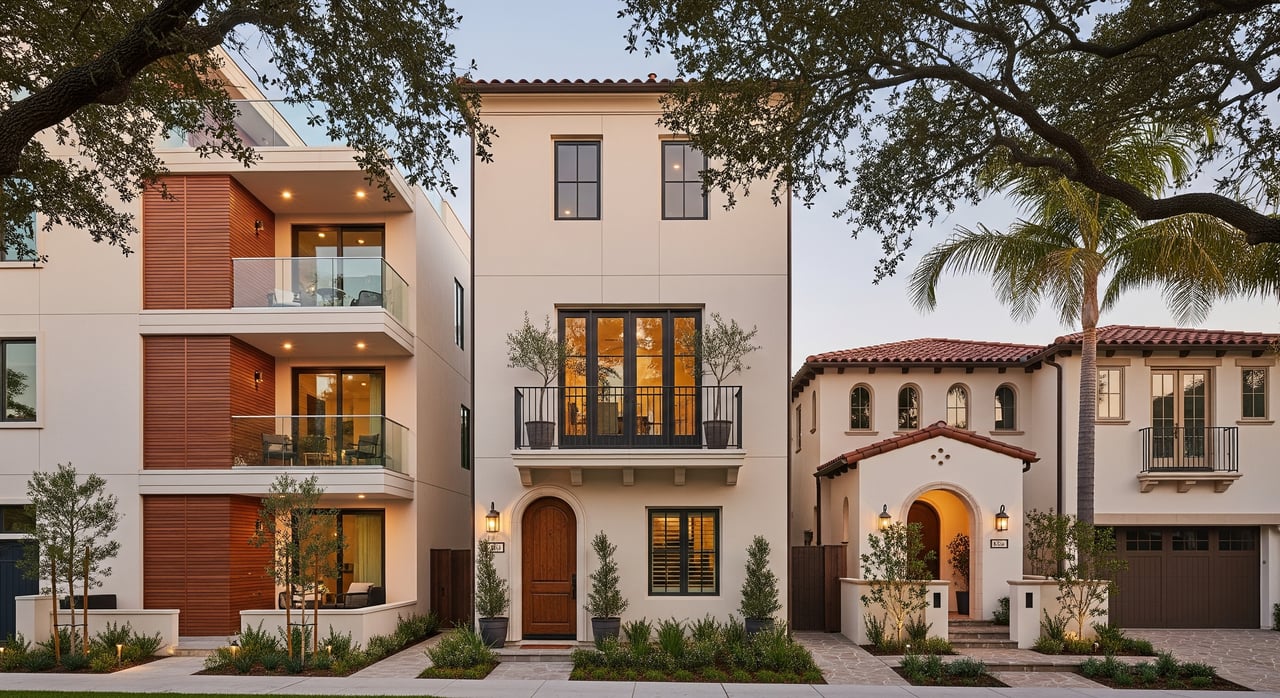
- Convenience: The easiest access to dining, shopping, community events, and the pier.
- Daily life: Walkable errands and frequent pedestrian activity support a lifestyle focused on short trips and social time.
- Tradeoffs: More foot and vehicle traffic, competitive parking, and a mix of condos and townhomes near the action.
Tree Section
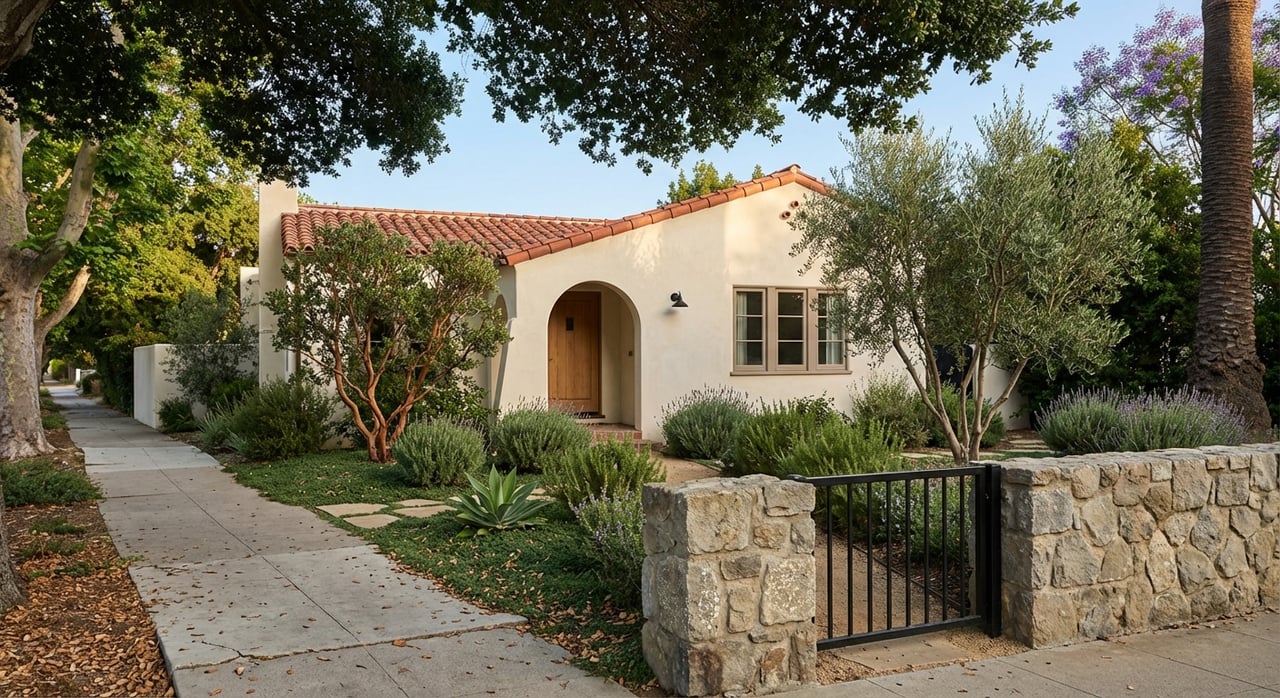
- Character: Leafy residential blocks and many single-family homes on quieter streets.
- Convenience: A short walk or bike ride to the Strand and downtown without being in the middle of it.
- Tradeoffs: Slightly longer walks to the sand than beachfront, but often a balanced mix of privacy and proximity.
Hill and Highlands
- Character: Elevated lots that can offer broader views and substantial single-family homes.
- Convenience: Short drives or steeper walks to beach access, with more privacy and outlooks.
- Tradeoffs: Elevation changes can affect walkability for some buyers and may bring more wind exposure.
North End near El Porto
- Character: Surf-forward energy and a laid-back feel, with notable surf breaks nearby.
- Convenience: Easy access to the northern bike trail segments and beach parking areas.
- Tradeoffs: Event and surf crowds during peak times, and a slightly longer trip to downtown Manhattan Beach.
How proximity affects price and routine
Location next to the Strand, parks, and the pier drives demand and shapes daily habits. If you plan morning runs, bike commutes, or frequent dining, a few blocks’ difference can change your lifestyle and the price you pay.
Demand drivers
- Walkability to the Strand, the pier, and downtown amenities increases desirability among coastal buyers.
- Short distances to outdoor activity and dining are strong motivators for premium offers.
Pricing and inventory (qualitative)
- Beachfront and immediate Strand properties command notable premiums and often move faster than interior homes.
- Condos and townhomes close to downtown and the Strand tend to see strong interest from buyers seeking low-maintenance coastal living.
Daily routines
- Errands: Living near the pier area converts many errands to short walks for groceries, coffee, and meals.
- Recreation: Close proximity supports more frequent outdoor activity and makes cycling or walking your default mode.
- Family logistics: Being near parks, fields, and the beach reduces drive time for activities.
Ownership and maintenance
- Coastal exposure can increase wear on paint, metalwork, decks, and HVAC units; some beachside condos have higher HOA dues to cover shared maintenance.
- Insurance costs can be higher near the shoreline, and flood insurance may be required depending on zone designation. Verify availability and cost early in your search.
Market behavior
- Direct Strand and true beachfront listings are scarce and can attract multiple offers.
- Buyers often trade privacy for convenience or interior square footage for premium walkability.
What to check before you buy
Coastal homes offer an exceptional lifestyle, but they also come with unique regulations and environmental factors. A careful review during your search helps you avoid surprises.
Coastal permitting and policy
- Parts of Manhattan Beach fall under California’s coastal zone. Renovations and additions near the shoreline may require Coastal Development Permits and city design reviews.
- Confirm project feasibility and timelines early if you plan to remodel.
Flooding, erosion, and sea-level rise
- Review FEMA flood maps and local designations for any property you are considering.
- Ask sellers about flooding history, shoreline protection structures, and recent beach nourishment efforts.
- Check city sea-level rise planning that could affect access or future insurance.
Insurance and lending
- Lenders may require flood insurance when properties fall within certain zones.
- Expect higher premiums for coastal exposure. If a condo, review what the HOA policy covers and what you must carry personally.
Parking, easements, and right-of-way
- Confirm property boundaries and any public access easements near beachfront parcels.
- Learn the rules for residential permits, guest parking, and HOA restrictions.
Noise, events, and privacy
- The pier and downtown host events that increase crowds and activity. Visit at weekend and evening peak times to gauge the feel of the block.
Utilities and services
- Verify trash and recycling pickup points, bike storage rules in multi-unit buildings, and any local rules about outdoor equipment or short-term rentals.
Coastal maintenance
- Look for salt corrosion on metal railings, fasteners, and HVAC components. Ask when exterior paint or protective finishes were last updated.
- Confirm proper lot grading and drainage that complies with local stormwater rules.
Tour like a local: buyer checklist
Use this quick checklist during showings and due diligence to understand how a home fits your lifestyle.
- Walk the route from the property to the closest Strand access, the pier/downtown, and the nearest park. Time the walk and note stairs, steep grades, and busy intersections.
- Inspect exterior metalwork and HVAC for corrosion or rust. Ask when exteriors were last painted or treated.
- Request the FEMA flood zone designation, any elevation certificates, and the most recent survey or plot map.
- For condos or townhomes, review HOA CC&Rs, recent meeting minutes, and any special assessments tied to beach-facing maintenance.
- Ask the seller about any history of flooding, shoreline encroachments, storm-related repairs, or insurance claims.
- Observe parking on a weekend afternoon and evening to understand congestion and enforcement.
- Check local event calendars for the pier and beach to learn how often high-traffic days occur.
Which area fits your life?
If your routine revolves around sunrise runs, evening walks, and pop-in dinners, the Sand Section and downtown blocks keep you close to the action. If you prefer quiet streets and easy biking distance to the Strand, the Tree Section or interior single-family areas can be a strong match. For wide views and more privacy, consider the Hill and Highlands. If surf access tops your list, the north end near El Porto may feel like home.
You do not need to choose blindly between privacy, access, and price. A focused search tied to your daily habits will reveal the best fit. If you want help mapping the tradeoffs, we offer a hands-on, concierge approach to touring, due diligence, and negotiation. Start your Manhattan Beach search with trusted guidance from The Bono Group.
FAQs
What is the Strand in Manhattan Beach?
- The Strand is the local name for the coastal segment of the Marvin Braude Bike Trail, a paved, mixed-use path along the beach that connects north and south through Manhattan Beach.
How busy does the pier and Strand area get?
- Expect higher pedestrian and bike traffic near the pier and downtown, especially on weekends and evenings, with parking and walkways more crowded during peak times.
Which parks are most central to daily life?
- Polliwog Park and Live Oak Park are frequently referenced community hubs, with additional pocket parks and field complexes found throughout the city.
Do beachfront homes face higher maintenance?
- Yes. Salt exposure can shorten the life of exterior paint, metalwork, decks, and HVAC components, and some beachside condos carry higher HOA dues for shared upkeep.
Will I need flood insurance near the beach?
- It depends on the property’s flood zone designation. Lenders may require it in certain zones, and premiums can be higher for coastal exposure, so verify early.
What should I verify about beach access and rights-of-way?
- Confirm property boundaries, public access easements, and any encroachments, and review municipal or HOA parking rules for residents and guests.