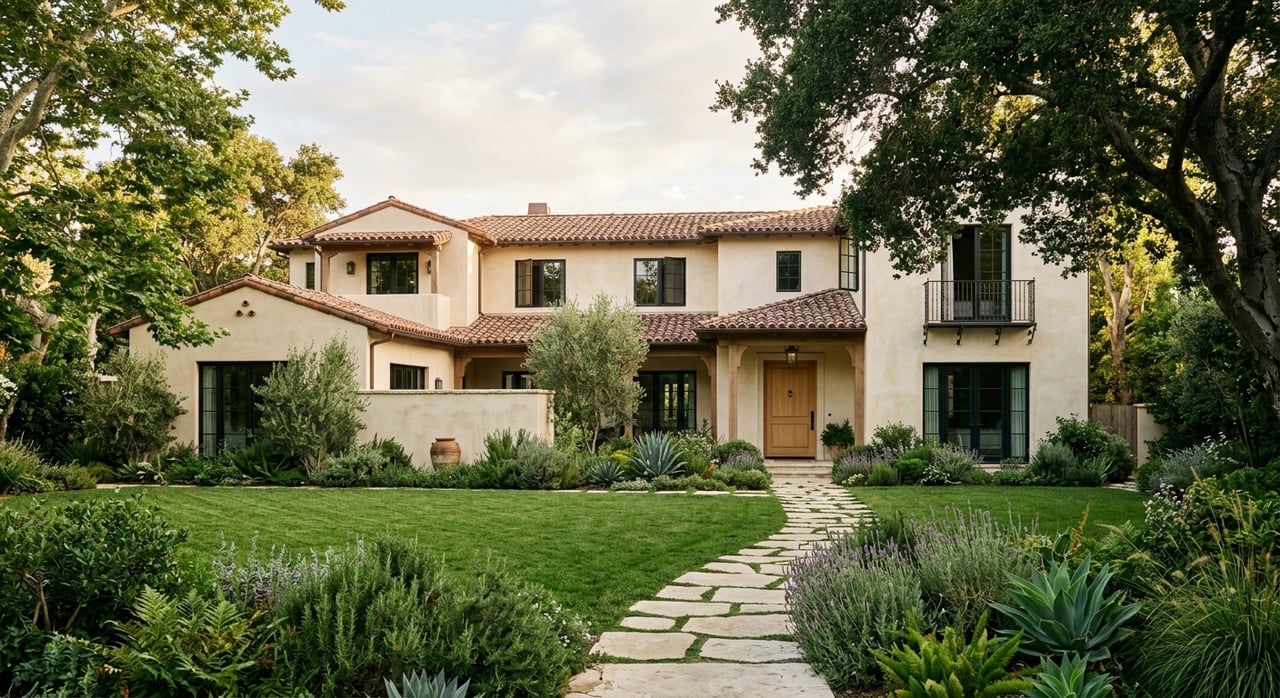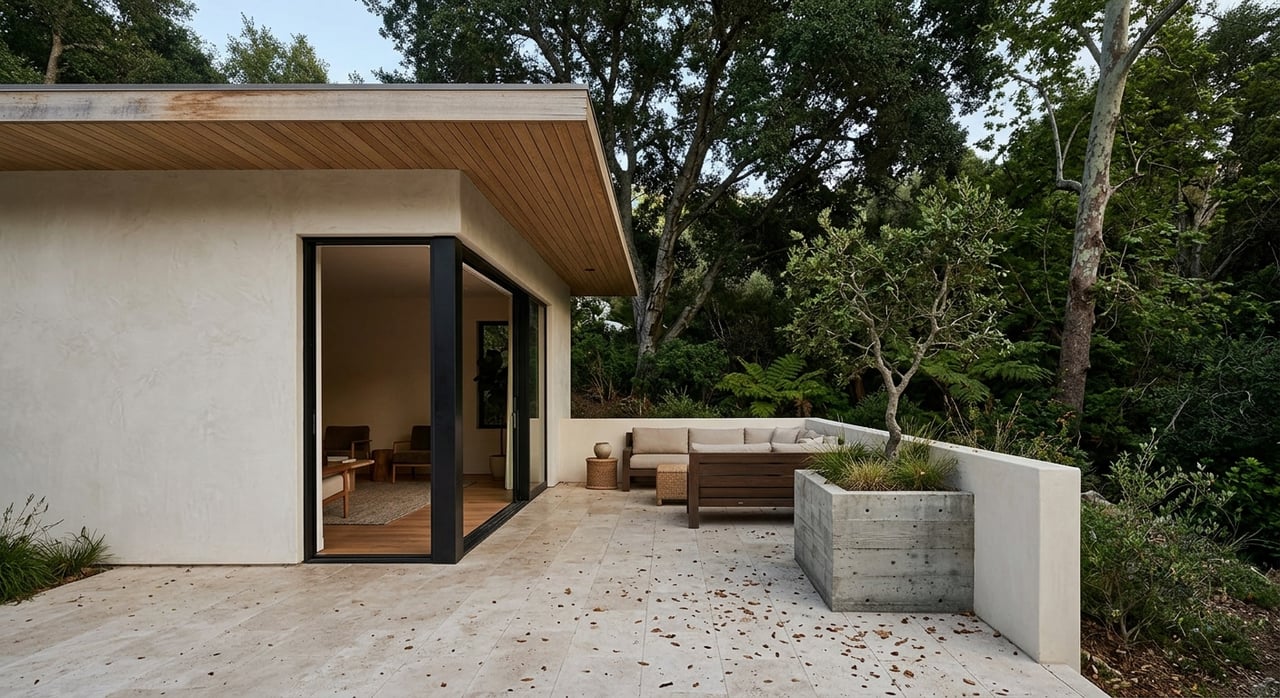
Are you weighing a Manhattan Beach townhome against a single-family house while juggling a packed calendar? You want beach access and a smooth commute, but you also want the right balance of maintenance, privacy, and long-term value. In this guide, you will get a clear, local lens on the time, cost, and lifestyle tradeoffs so you can choose with confidence. Let’s dive in.
Manhattan Beach market at a glance
Manhattan Beach is a high-cost coastal market. Recent snapshots show single-family homes often trading in the low-to-mid $3 million range, with attached units like townhomes and condos typically at lower absolute prices. That premium reflects land value, private yards, and views that detached homes offer.
For busy buyers, the takeaway is simple. Single-family homes tend to cost more upfront and require more hands-on upkeep. Townhomes can lower your daily maintenance load for a monthly HOA fee, and many are closer to the beach and shops.
Neighborhood fit: Sand, Tree, and Hill
Your choice often comes down to how you live day to day.
- Sand Section and walk streets: Highest walkability, immediate access to downtown and the Strand, and compact lots that favor attached homes and smaller yards. If you want errands and coffee runs on foot, this area saves time.
- Tree Section: A residential setting with mid-sized lots. You get more private outdoor space than the Sand Section while staying within a short drive of the beach and shops. See general city context on the Manhattan Beach page for neighborhood overviews.
- Hill Section: Larger parcels, more privacy, and view potential. The tradeoff is more distance from the Strand and more exterior upkeep that you or your vendors must manage.
Local design and zoning commentary notes that Tree and Hill parcels often run wider and deeper, which supports larger detached homes, yards, and sometimes pools. That added space is part of why these sections suit buyers who value privacy and control over outdoor areas. For a planning lens on lot patterns and zoning, see this local design resource on Manhattan Beach zoning.
Ownership tradeoffs: time and maintenance
Townhome HOA basics
Townhomes and condos centralize many exterior tasks under an HOA. Typical responsibilities include parts of the exterior building envelope, common-area landscaping, trash, common-area insurance, and for some buildings, roof and amenity upkeep. California’s Davis–Stirling Act outlines how associations operate and what they must disclose, which helps you understand costs and duties before you buy. Review the statute overview here: Davis–Stirling Common Interest Development Act.
Monthly dues in Manhattan Beach vary. Recent 90266 listings show numbers in the low hundreds, with examples around 200 to 470 dollars per month. Fees rise with building age, insurance costs, and amenities. Always verify the HOA budget, reserve study, insurance summary, and board minutes to see what your dues actually fund.
For consumer guidance on what associations do and disclose, see the California Attorney General’s page on Homeowners Associations.
Single-family upkeep costs
With a detached house, you take on the roof, exterior paint, landscaping, hardscape, pools and systems, plus vendor scheduling. A common budgeting rule of thumb is to set aside about 1 percent of the home’s value per year for maintenance, with actual needs varying by age, systems, and coastal exposure. For context on maintenance planning, review this overview of average home maintenance costs.
The upside is control. You decide how and when to upgrade, which materials to use, and how to tailor outdoor spaces to your routines. If you like to manage projects directly or want a private yard, the single-family route may be worth the extra time.
Privacy, layout, and outdoor space
Townhomes maximize location and simplify upkeep. They also tend to have more vertical layouts, shared walls, and limited private yard space. Single-family homes deliver detached walls, more flexibility for additions or landscaping within city rules, and private outdoor areas that support pets, gardening, or a quiet work-from-home patio.
Financing and resale factors
Attached units can add a layer of financing review because many lenders require the project itself to meet eligibility standards. Lenders use systems like Fannie Mae’s Condo Project Manager for full project reviews. If a building does not meet guidelines, buyers may face slower closings or fewer loan options. Learn more in Fannie Mae’s Condo project full review process.
If you plan to use FHA, the project generally needs FHA approval or an eligible single-unit approval where allowed. Your lender will confirm status against HUD’s requirements. See HUD’s summary of FHA condominium project approval documents.
On resale, Manhattan Beach consistently shows a price premium for detached homes relative to attached units. For a specific address, compare recent closed sales on the same block and lot type, days on market, and whether a condo project creates financing or insurance constraints.
Parking, commuting, and daily logistics
Parking is a real factor, especially near downtown and the beach. Confirm the property’s on-site spaces, alley or garage access, and guest parking rules. The City of Manhattan Beach manages permit zones and enforces them in high-demand areas. For context, review the city’s Parking Management Study.
If you value walkable errands and easy access to the Strand, a Sand-adjacent townhome can put time back into your day. If you need consistent on-site parking, work equipment storage, or larger garages, a detached home in the Tree or Hill sections may fit better.
Decision framework for busy buyers
Use this quick guide to match your lifestyle to the right property type:
- If you want time back: Choose a townhome or small condo close to downtown or the Strand. Pros include lower hands-on maintenance and walkable errands. Cons include monthly HOA dues and project-level financing steps.
- If you want control and space: Choose a detached home in the Tree or Hill sections. Pros include privacy, flexible outdoor areas, and control over upgrades. Cons include higher maintenance time and cost, plus vendor coordination.
- If you want a middle ground: Seek smaller townhome communities with clear reserves and limited amenities, or attached homes that include private patios or small yards. Verify the legal form of ownership and the HOA’s scope of responsibility.
Due diligence checklist to save time
Ask for these items early, ideally before you write an offer:
- HOA resale packet: CC&Rs, bylaws, operating budget, latest reserve study, financials, insurance summary, 12 months of minutes, assessment history, litigation disclosure, and any leasing rules. California consumer guidance outlines standard disclosures for associations. See Homeowners Associations overview.
- Reserve funding: Confirm reserve funding percentage and upcoming capital projects. Underfunded reserves increase the risk of special assessments. For a look at how assessments are planned, review a sample condo assessment schedule.
- Insurance: Check master policy limits and deductibles, and confirm where an owner policy must fill gaps.
- Condo project eligibility: Have your lender verify Fannie Mae project eligibility and whether any waivers are needed. See Fannie Mae’s project review process and HUD’s FHA condo approval docs.
- Parking and permits: Confirm assigned spaces, guest rules, and whether the block sits within a city permit zone using the Parking Management Study.
Time-saving tactics for busy schedules:
- Ask your agent to request the HOA packet before you submit an offer so you can review without a rushed clock. Industry guidance suggests longer review windows when documents are lengthy. See this overview of HOA review timing best practices.
- Engage your lender early on project eligibility for attached units. Early checks help avoid surprises mid-escrow.
- Consider a short legal or specialist review of the HOA package. An attorney or specialist can flag reserve gaps, litigation, and rental caps in a single summary you can read between meetings.
Real-world examples
- Busy professional who values walkability: You work long hours and want the beach and shops at your doorstep. A Sand-adjacent townhome with solid reserves and lower amenities can keep dues in check and minimize maintenance, while giving you easy daily errands. Target buildings with clear financials and strong insurance.
- Buyer who wants privacy and outdoor space: You prefer a private yard for quiet mornings or low-key gatherings. A detached single-family home in the Tree or Hill sections aligns with that lifestyle. Plan for annual maintenance, consider a vendor roster, and budget for future system upgrades.
Next steps
Choosing between a Manhattan Beach townhome and a single-family home comes down to your calendar, your comfort with maintenance, and how you want to live near the coast. If you want a focused game plan, we can help you compare options block by block, secure HOA documents early, and align lending and due diligence so your purchase runs on your schedule. To explore on-market and quiet off-market options, connect with The Bono Group for a complimentary strategy call.
FAQs
How do HOA dues in Manhattan Beach compare to house upkeep?
- Recent local listings show monthly dues commonly in the 200 to 470 dollar range, which can offset owner tasks like exterior repairs and landscaping. For detached homes, a common rule of thumb is to budget about 1 percent of home value per year for maintenance, adjusted for age and systems.
What should I review in a Manhattan Beach HOA package before buying?
- Focus on the operating budget, reserve study and funding level, insurance summary, 12 months of board minutes, any special assessments, litigation, and leasing rules. These items drive your future costs and flexibility.
Can I use FHA financing for a Manhattan Beach townhome or condo?
- Possibly. The project must meet FHA eligibility or qualify for a single-unit approval where available. Ask your lender to check HUD’s approval framework early to avoid delays.
How does condo project approval affect closing timelines?
- Lenders often require a project-level review for attached units. If a project does not meet standards, financing choices can narrow and closing can take longer. Early lender checks help you plan.
What parking factors should I confirm near the beach and downtown?
- Verify assigned and guest parking, alley or garage access, and whether the block falls within a city permit zone. Manhattan Beach enforces parking rules in high-demand areas, which affects daily convenience.