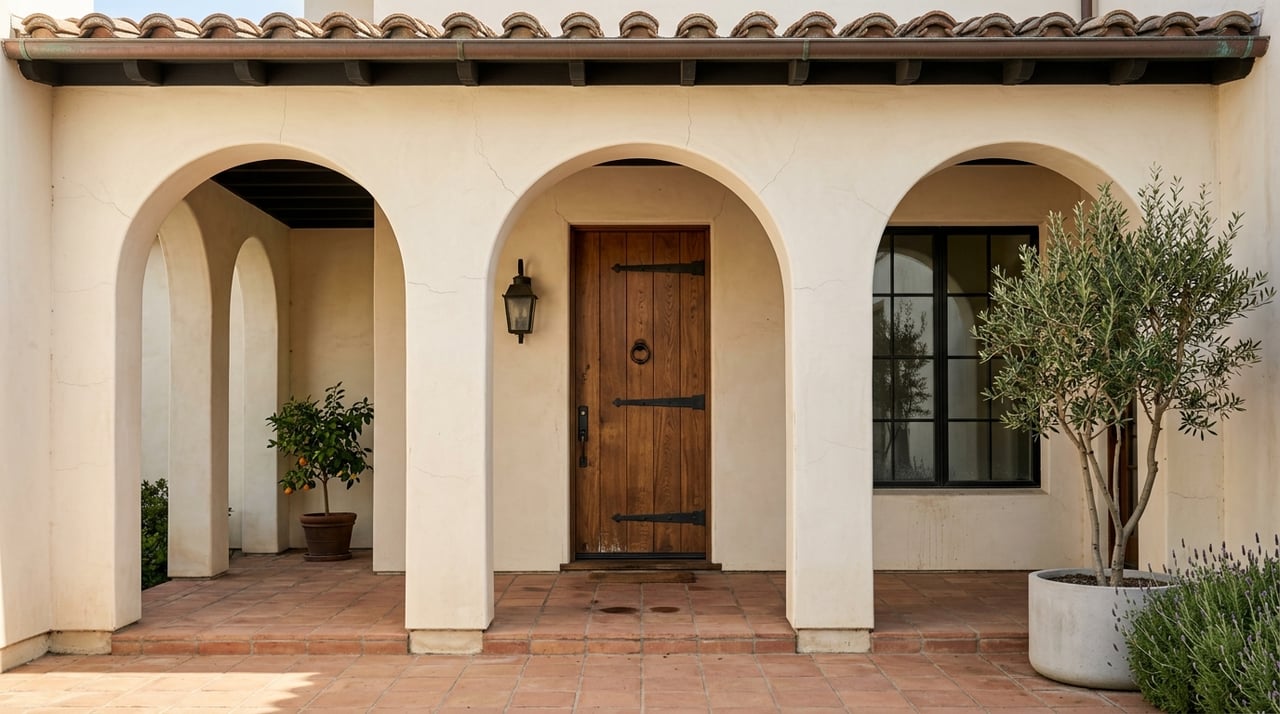
Selling a historic home in San Marino is not the same as selling a standard property. You are balancing architecture, preservation rules, buyer expectations, and a luxury market that often moves quickly. If you want to protect your home’s character while making smart listing decisions, a clear plan matters. This guide will walk you through how to prepare, price, and market a historic San Marino home with confidence. Let’s dive in.
Understand Historic Status First
Before you schedule painters, order new windows, or plan a pre-listing refresh, it helps to confirm exactly how your property is classified. In San Marino, historic sensitivity goes beyond the small number of formally designated landmarks.
According to the city’s Historic Resources Survey Report, 286 resources appear eligible for local landmark status. At the same time, a housing-element update cited in that report notes only 11 designated historic properties. That means many homes may carry architectural or preservation importance even if they are not officially designated today.
Why this matters before listing
If your home is already designated, or if a designation application is pending, city review rules may affect what work you can do before going to market. San Marino’s preservation ordinance automatically treats properties listed in the National Register or California Register as local historic landmarks, and designation requests can be initiated through several paths, not just by the owner, as outlined in the city’s historic context statement.
Once a designation application is filed, the city restricts activities that would require a Certificate of Appropriateness until the City Council makes a final decision. For approved landmarks, exterior work such as alteration, relocation, construction, or demolition generally requires review under San Marino’s historic preservation code.
Plan Repairs Carefully
One of the most common seller mistakes is over-renovating before listing. With a historic home, that risk can be even greater because updates that seem helpful on the surface may reduce character or trigger review.
A better approach is usually preservation-aware repair. The National Park Service preservation standards recommend retaining historic character, repairing rather than replacing when possible, and matching old materials with compatible new ones when replacement is necessary.
Focus on maintenance, not reinvention
San Marino allows ordinary maintenance if the work does not change the design, material, or exterior appearance of the property. The city also permits some director-level approvals for like-kind repair or replacement of roofs, windows, siding, chimneys, fireplaces, accessory structures, and fencing, along with certain small rear additions that meet strict visibility and size limits under the city code’s Certificate of Appropriateness procedures.
That means your pre-listing work should start with a careful scope. Instead of asking, “How can I modernize this home?” the better question is, “How can I present this home at its best while respecting what makes it special?”
Don’t assume later changes should go
Some sellers think every later addition or alteration needs to be removed to restore an original look. That is not always true. The National Park Service notes that later changes can gain historic significance over time and may deserve to be retained rather than stripped away, as explained in its guidance on acquired significance.
For you, that means it is wise to evaluate existing features with context before making cosmetic decisions. Removing a later feature simply because it is “not original” may not be the best move for compliance, presentation, or value.
Gather Key Documents Early
Historic-home sales tend to go more smoothly when you organize documentation before the listing goes live. Buyers in this segment often want clarity, and the right paper trail can help support pricing, condition, and confidence.
A smart seller file in San Marino often includes:
- Permit history
- Historic designation status, if any
- Any city survey references tied to the property
- Prior plans or approvals for exterior work
- A copy of any Mills Act contract
- A written list of repairs or updates you plan to complete before listing
Mills Act contracts need special attention
If your property has a Mills Act contract, that should be disclosed and explained clearly. According to California’s Office of Historic Preservation, Mills Act contracts transfer to the new owner when the home is sold and remain binding during the contract period.
San Marino ties Mills Act participation to designated landmarks, with property-tax reduction offered in exchange for preservation commitments. For buyers, that can be a meaningful part of the ownership picture, so having the contract ready early can prevent confusion later.
Highlight the Right Architectural Features
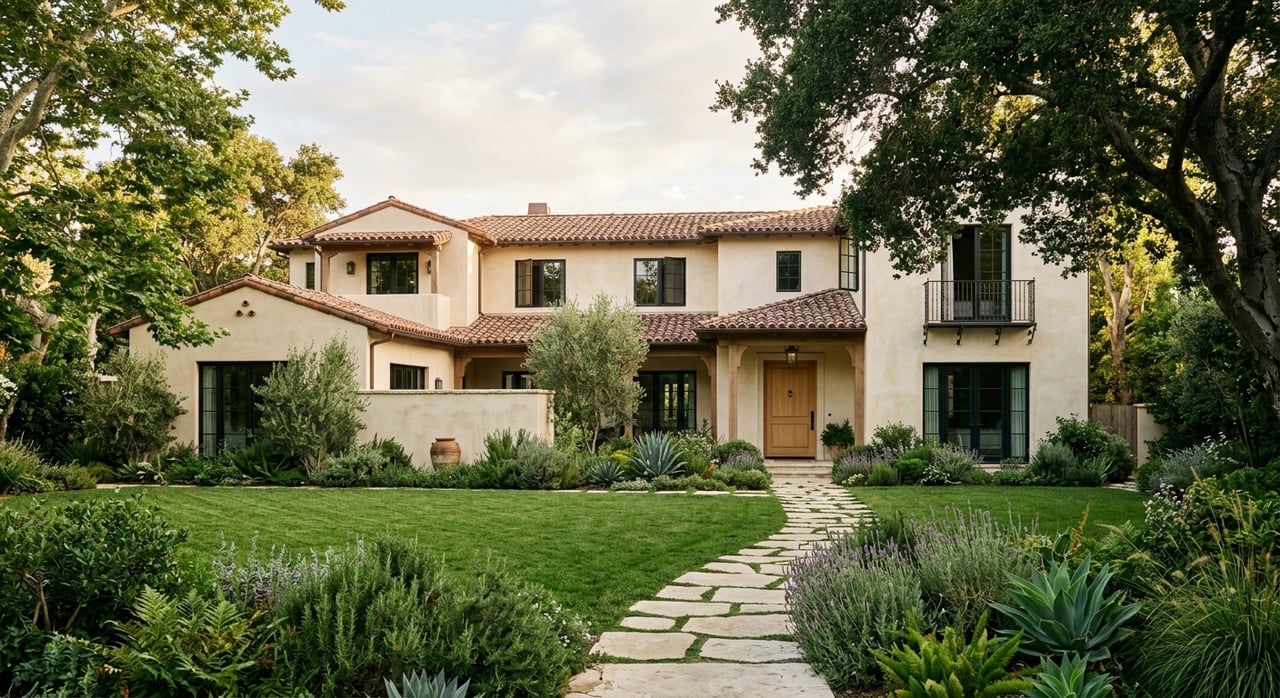
In San Marino, a historic home is not limited to one style or one era. The citywide survey covers buildings constructed through 1980 and includes a broad mix of architectural types, from 1920s period revival homes to Spanish Colonial Revival, Tudor Revival, Mediterranean Revival, Ranch, and Modern residences, according to the city’s Historic Resources Survey Report.
That range matters because your marketing should reflect the home’s actual architectural story, not a generic luxury script. Buyers are often drawn to details that feel authentic and specific.
What to showcase in staging and photography
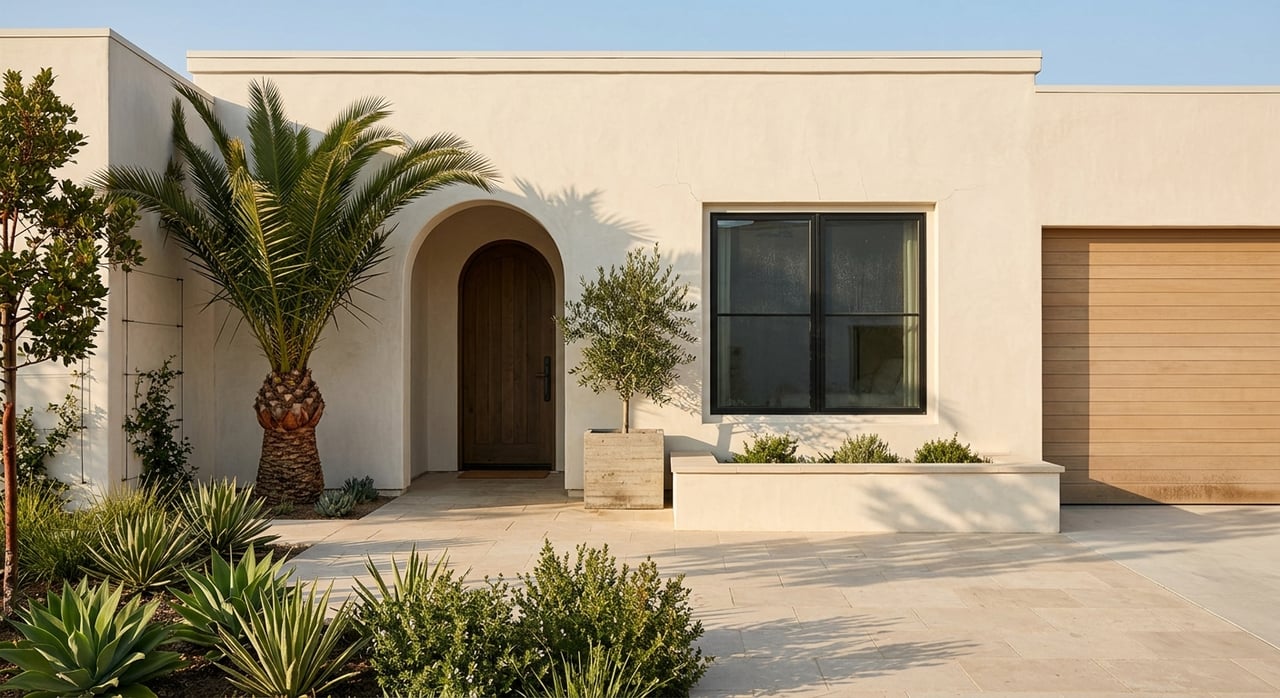
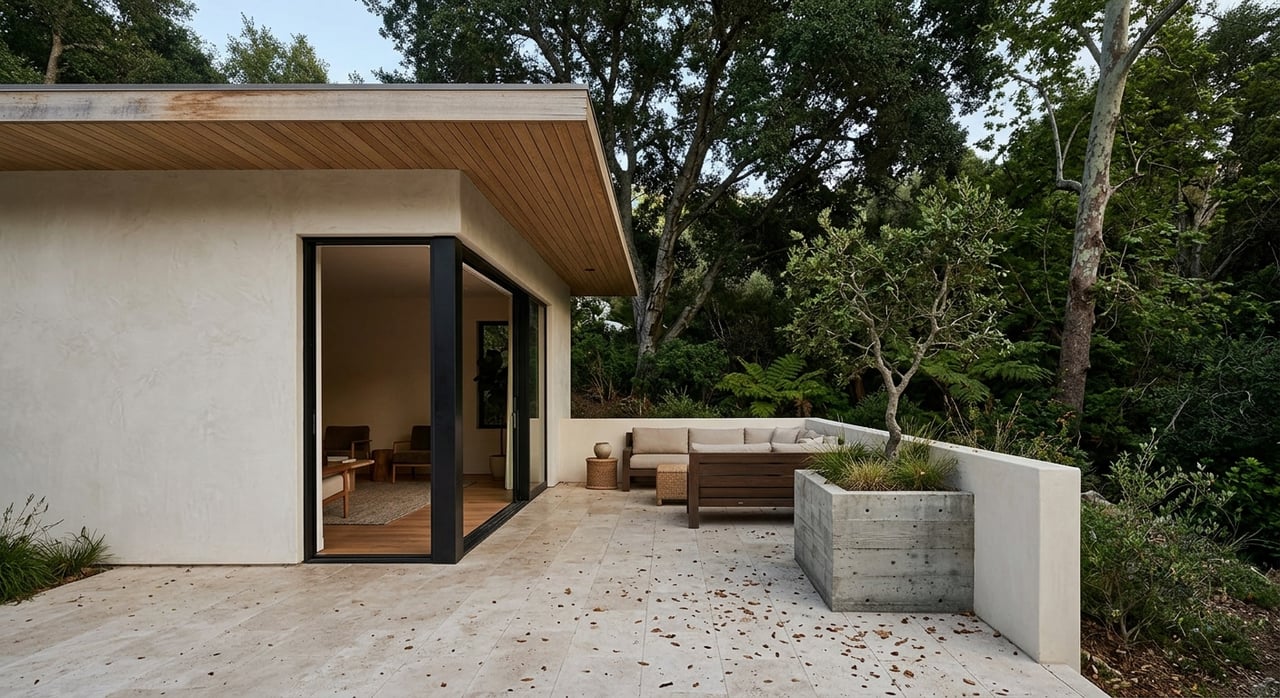
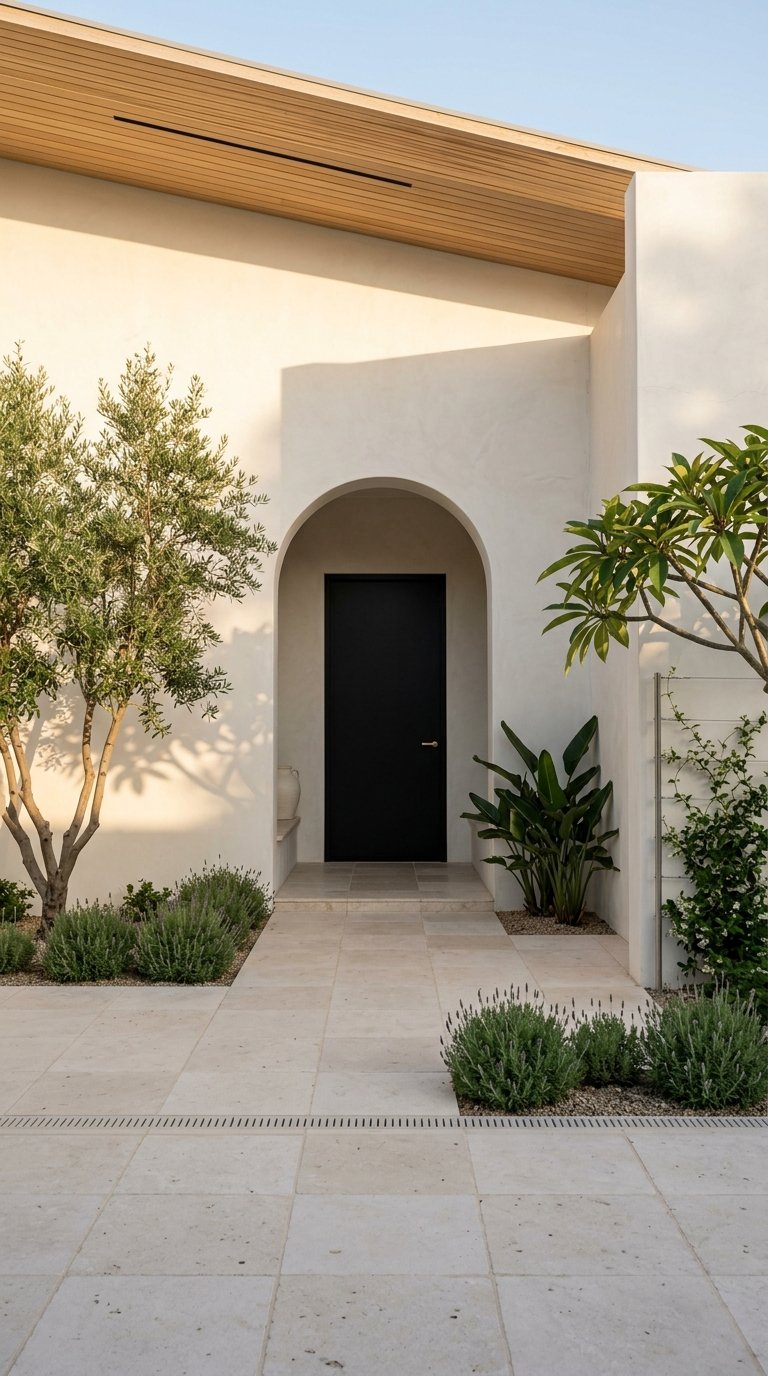
The National Park Service identifies interior features such as stairways, mantels, paneling, decorative hardware, and distinctive finishes as important to a home’s visual character in its guidance on interior historic character. San Marino’s historic context statement also points to style-specific exterior details such as stucco, tile roofs, arches, courtyards, low-pitched roofs, wide eaves, picture windows, and attached garages as defining features in the local housing stock.
In practical terms, your presentation strategy should spotlight these details rather than covering them up. Clean, restrained staging and thoughtful photography often do more for a historic home than trend-driven updates that make it look like every other listing.
Price With Story and Support
Pricing a historic San Marino home takes more than pulling a few nearby comparable sales. Architecture, preservation status, condition, tax treatment, and buyer perception can all play a role.
The Appraisal Institute notes that historic properties can differ from typical homes because government policies, use, tax treatment, and market value all matter. In other words, buyers and appraisers may need a fuller story to understand value.
Use market context, not shortcuts
Recent data suggests San Marino remains a strong market for sellers. Realtor.com’s local market snapshot reported a February 2026 median listing price of $3.38 million and 46 median days on market, while the research report also cites a March 2026 Redfin median sale price of $3.25 million and 23 days on market.
Those numbers are useful context, but they are not a substitute for a property-specific pricing strategy. Historic homes can vary widely based on original condition, updates, documentation, and architectural appeal, so the strongest pricing plan is one that combines comparable sales with a clear explanation of what has been preserved, what has been improved, and what obligations or benefits may come with the property.
Prepare for Buyer Questions
Historic-home buyers are often highly engaged. They may fall in love with the design, but they also tend to ask detailed questions about rules, costs, and future flexibility.
If you answer those questions early, your sale can feel more transparent and more secure. If you leave them vague, buyers may hesitate.
Questions to be ready for
You should expect buyers to ask things like:
- Is the home designated as a local landmark?
- Has any application for designation been filed?
- What repairs or renovations were completed, and were permits obtained?
- Is there a Mills Act contract, and does it transfer?
- Are there any restrictions on future exterior changes?
- Are there preservation-sensitive features that should be maintained?
If major rehabilitation is part of a buyer’s long-term plan, it may also help to know that California offers an alternative compliance framework through the California Historical Building Code for qualified historical buildings and structures. That can be useful when life-safety or accessibility improvements need to be balanced with preservation.
It also helps to correct common assumptions. For example, owner-occupied homes do not qualify for the federal rehabilitation tax credit, which applies only to depreciable historic buildings used for business or rental purposes, according to the National Park Service’s tax incentive eligibility requirements.
Build a Calm, Confident Listing Strategy
Selling a historic San Marino home successfully is often less about doing more and more about doing the right things in the right order. Confirm status first, scope repairs carefully, organize your documents, and build marketing around the home’s real architectural identity.
That process can protect you from unnecessary work, reduce surprises during escrow, and help buyers understand why your home stands apart. In a market where presentation and precision matter, that kind of preparation can make a meaningful difference.
If you are thinking about selling and want a tailored strategy for your San Marino property, The Bono Group offers a personalized, white-glove approach with hands-on preparation, data-informed pricing, and curated marketing designed to help you move forward with clarity.
FAQs
What should you check before selling a historic home in San Marino?
- You should confirm whether the property is designated, pending designation, or identified as potentially eligible in the city survey, then review permits, planned repairs, and any Mills Act paperwork before listing.
Can you update a historic San Marino home before listing it?
- Yes, but if the property is designated or pending designation, city review may apply, and even ordinary maintenance should avoid changing design, materials, or exterior appearance.
Does a San Marino home have to be a landmark to matter historically?
- No. San Marino’s historic survey identified 286 resources that appear eligible for local landmark status, so a home may still have historic or architectural importance even if it is not formally designated.
Does a Mills Act contract transfer when a San Marino home is sold?
- Yes. According to California’s Office of Historic Preservation, the contract transfers to the new owner and remains binding during the contract term.
How should you price a historic home in San Marino?
- You should use comparable sales along with documentation about the home’s condition, preserved features, updates, and any benefits or constraints tied to historic status rather than relying on broad market averages alone.