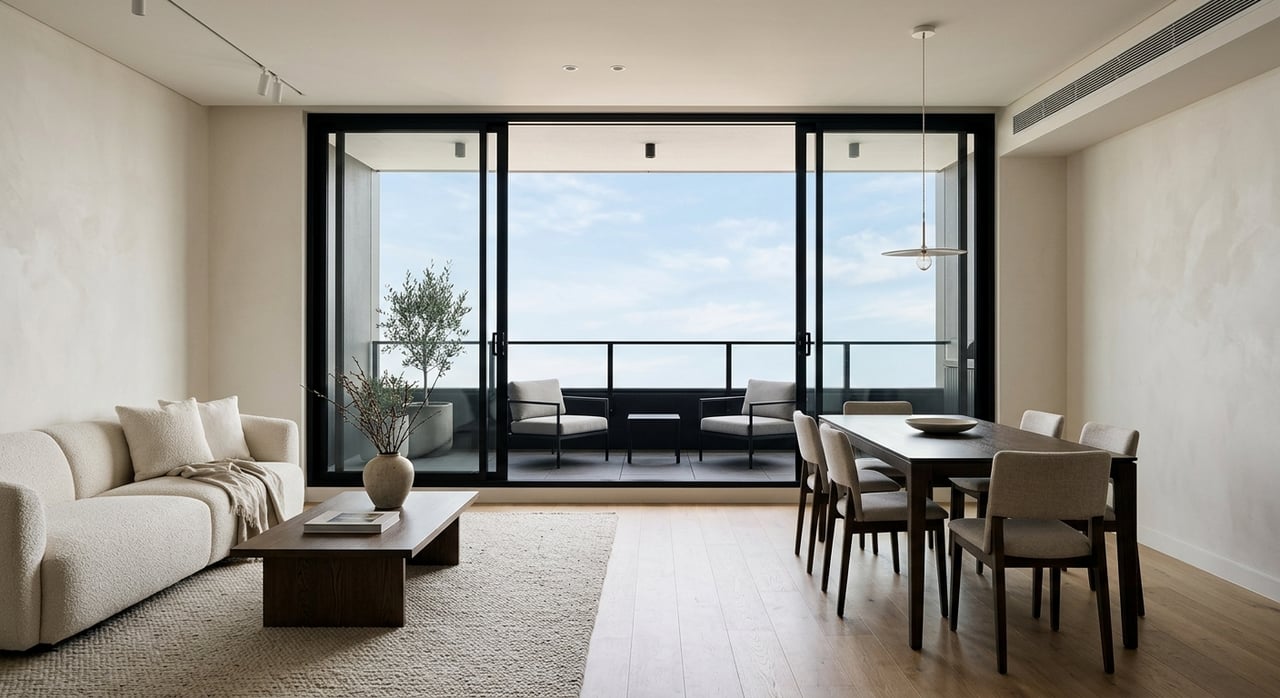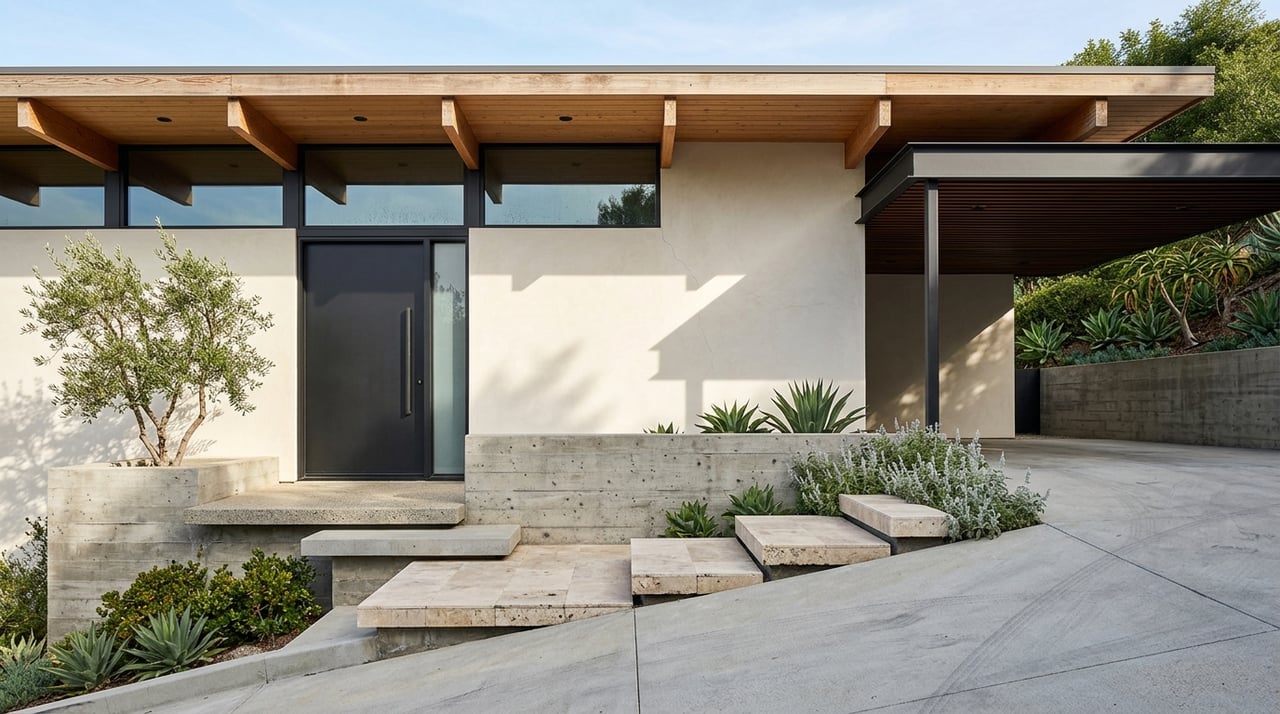
Torn between waking up on the sand or above the canyons with panoramic mountain views? You are not alone. Malibu offers two incredible lifestyles that feel worlds apart once you look at daily comfort, risk, and long-term costs. In this guide, you will compare beachfront and canyon living side by side, learn what to verify before you buy, and see how permits, insurance, and maintenance affect resale. Let’s dive in.
Lifestyle tradeoffs at a glance
Beachfront and bluff living
If you want direct ocean access, endless views, and that classic Malibu address, beachfront or bluff-top living delivers. You will likely enjoy milder daily temperatures thanks to the marine layer and a front-row seat to sunsets. Expect more visitors nearby on popular stretches and a property that trades on scarcity and prestige. Beach properties often command a market premium in Malibu because supply is tight and views are unobstructed.
Canyon and hillside living
If you value space, privacy, and sun, Malibu’s canyons and ridgelines can be a great fit. Lots are often larger, many homes get better afternoon light, and you are typically more sheltered from salt spray and morning fog. You trade the sand at your doorstep for quiet, nature, and dramatic overlooks. Keep in mind that much of the Santa Monica Mountains is mapped as High or Very High Fire Hazard Severity Zones, so wildfire awareness is part of canyon life.
What truly drives price and value
Beachfront addresses are scarce and offer immediate ocean connection. That scarcity, paired with private sand or stair access and unobstructed views, drives long-term demand. Canyon properties often deliver acreage, usable outdoor spaces, and distance from direct coastal hazards, which appeals to buyers seeking privacy and room to spread out. Across both settings, current mapping of hazards and the ability to insure the home influence buyer confidence, financing, and resale.
Hazard profile to check before you fall in love
Wildfire exposure
Many Malibu canyons fall within High or Very High Fire Hazard Severity Zones under updated 2025 maps. That designation affects defensible-space requirements, building standards, and insurability. Always verify the parcel’s designation using the Office of the State Fire Marshal’s Fire Hazard Severity Zone viewer.
The 2018 Woolsey Fire still shapes underwriting and local policy. Review local fire history and access routes, and study how vegetation, water availability, and road width affect response. For context, revisit CAL FIRE’s Woolsey Fire incident summary.
What to request in due diligence:
- FHSZ map for the exact parcel, plus any recent defensible-space inspection records.
- Insurance non-renewal history, local fuel-reduction info, and evacuation access details.
Debris flow and landslides after fire
Wildfires can set the stage for damaging debris flows during heavy rains, especially in steep canyon drainages. This risk can stay elevated for one to two rainy seasons after a burn. Review USGS guidance on how post-fire storms behave and what to expect by reading the USGS debris-flow overview.
What to request in due diligence:
- Recent burn history, geotechnical reports, and any post-fire hazard assessments.
- Drainage and slope stability studies, plus mitigation plans if prior slides occurred.
Coastal erosion, wave runup, and flooding
Frontline ocean properties face coastal erosion, storm surge, and sea-level rise. The City of Malibu’s Coastal Vulnerability Assessment offers projections for inundation, wave runup, and bluff retreat scenarios. Review the city’s Coastal page and resources to understand local conditions and adaptation planning.
Flood coverage is separate from homeowners insurance. Confirm FEMA flood zone status and request an elevation certificate. Learn how NFIP coverage works through FloodSmart’s official guidance.
What to request in due diligence:
- FEMA flood map designation, current elevation certificate, and any coastal-engineering reports.
- Permit history for nourishment or armoring and whether a Geologic Hazard Abatement District applies.
Earthquake and slope stability
Earthquake risk is part of Southern California homeownership. For coastal bluffs and hillside lots, structural design and geotechnical work should address potential instability. Earthquake coverage is also separate from homeowners. Learn the basics through the California Earthquake Authority.
Permits and what you can build
Beachfront permits and coastal rules
Most oceanfront and bluff-top sites fall within the coastal zone and are governed by the City of Malibu’s Local Coastal Program. Many Coastal Development Permits set setbacks, include conditions that limit or prohibit future seawalls, and may prioritize soft adaptation such as nourishment. Review the City’s LCP and policies within the municipal code on ecode360 to understand how armoring and managed retreat are handled.
Permitting can be detailed and timeline-heavy. Expect geotechnical review, coastal processes analysis, and public access considerations in the record. Some permits include removal or relocation conditions if a structure becomes hazardous as the shoreline changes.
For background on armoring tradeoffs, see the California Coastal Commission’s policy context summarized by UC Santa Barbara’s coastal program on coastal armoring impacts.
Canyon and hillside permits
Canyon sites often require geotechnical studies, slope and stormwater plans, retaining-wall approvals, and strict adherence to defensible-space rules in Wildland-Urban Interface areas. If you are considering a rebuild or major renovations, confirm what expedited processes may exist and what still requires full plan checks. Start with CAL FIRE’s overview of Fire Hazard Severity Zones and WUI standards.
Insurance and financing reality check
What homeowners policies do and do not cover
Standard homeowners policies typically exclude flood and earthquake. If you are buying on the sand or near coastal flooding, evaluate NFIP or private flood insurance options through FloodSmart. For seismic risk anywhere in Malibu, explore separate earthquake coverage through the California Earthquake Authority.
FAIR Plan and market access
When private carriers decline wildfire-exposed properties, California’s FAIR Plan can provide basic fire coverage. Many owners also add a private Difference-in-Conditions policy to round out coverage. Review the program fundamentals on the California FAIR Plan site.
State oversight continues to shape insurer practices, especially after wildfire smoke events. The Department of Insurance formed a Smoke Claims and Remediation Task Force to strengthen standards for claims handling and cleanup guidance. See the agency’s press summary for context on this oversight at the California Department of Insurance.
Your pre-offer insurance checklist
- Ask a licensed broker for an insurance feasibility check on the specific address.
- Confirm FEMA flood zone and request the current elevation certificate.
- For canyon properties, document defensible-space compliance and any home-hardening upgrades.
- Ask about any prior non-renewals, current FAIR Plan usage, and loss history.
Maintenance and ongoing costs to plan for
Beachfront specifics
Salt air accelerates corrosion on metal fasteners, railings, and exterior HVAC coils. Finishes often need more frequent repainting or recoating. Many oceanfront structures rely on pilings or raised foundations, and coastal engineering inspections may be needed on a regular schedule. These realities can raise annual ownership costs and should be part of your budget.
Canyon and hillside specifics
In canyons, you will likely invest more in vegetation management, routine driveway and access maintenance, and slope or drainage monitoring after major storms. If an area has burned recently, plan for temporary erosion-control work. USGS research on post-fire debris flows provides helpful context for timing and mitigation options; review the USGS debris-flow guidance before you set your calendar and budget.
Resale and exit strategy
Beachfront value often ties to direct access, sand width, view corridors, and any previously permitted shoreline protection. Long-term erosion and armoring limits can narrow the future buyer pool for certain properties, so it helps to keep coastal studies and elevation documents up to date.
Canyon resale strength usually follows privacy, acreage, and outdoor amenities. That said, buyers and lenders are paying closer attention to wildfire mapping, road access, and home-hardening. Proactive documentation of defensible-space compliance, water supply, and evacuation routes can protect value.
For both settings, your disclosure package should include FHSZ designation, any prior fire damage and remediation, bluff-retreat or erosion history, and relevant coastal permits. The City’s LCP language on coastal risk and armoring is essential context for oceanfront listings; you can find the policy framework within the City of Malibu LCP code.
Quick buyer checklist for Malibu
- Location and lifestyle
- Decide if daily beach access or canyon privacy matters more to you.
- Visit morning and evening to feel the microclimate and light.
- Hazard and site verifications
- Pull the parcel’s map on CAL FIRE’s FHSZ viewer.
- Confirm FEMA flood zone and obtain the elevation certificate via FloodSmart.
- Request geotechnical, drainage, and coastal-engineering reports as applicable.
- Permits and feasibility
- For oceanfront, review the LCP rules on ecode360 and any past coastal permits.
- For canyon sites, confirm WUI standards, defensible-space status, and road access.
- Insurance and financing
- Get an insurance feasibility letter. Discuss FAIR Plan and DIC if needed using California FAIR Plan guidance.
- Review earthquake options with the California Earthquake Authority.
- Ownership readiness
- Budget for salt-air maintenance on the beach and vegetation or slope care in the canyons.
- Plan for post-storm and post-fire inspections when conditions warrant.
Choosing between Malibu’s sand and canyons comes down to how you live day to day and how you balance risk, cost, and long-term value. If you want a calm, concierge-style process that weighs all of this before you write an offer, reach out to The Bono Group for a complimentary strategy call. We can help you compare addresses, coordinate parcel-specific verifications, and position your offer with confidence.
FAQs
How do Malibu beachfront and canyon microclimates differ?
- Beachfront homes tend to have milder temperatures and more marine layer, while canyon homes often get more afternoon sun and feel warmer and drier depending on elevation and exposure.
How can I check if a Malibu canyon home is in a Very High Fire Hazard zone?
- Use CAL FIRE’s official Fire Hazard Severity Zone viewer and search the parcel’s address for its current designation.
Is a Malibu beachfront home likely to need flood insurance?
- Many oceanfront parcels fall within mapped flood zones; verify your FEMA designation and elevation certificate, then review options with FloodSmart.
Will Malibu’s coastal rules allow a seawall for my property?
- The City’s Local Coastal Program and Coastal Commission policies often limit new armoring and may include no-future-seawall conditions; review the LCP language on ecode360 and consult coastal engineers for site-specific feasibility.
What insurance options exist if private carriers will not write my Malibu home?
- California’s FAIR Plan can offer basic fire coverage when private insurers decline; many owners add a DIC policy. Learn more at the California FAIR Plan and review market oversight updates at the Department of Insurance.
What did the Woolsey Fire change for Malibu buyers?
- It sharpened focus on evacuation access, defensible space, and underwriting standards; revisit CAL FIRE’s Woolsey Fire summary and verify each property’s fire history and mitigation steps during due diligence.